
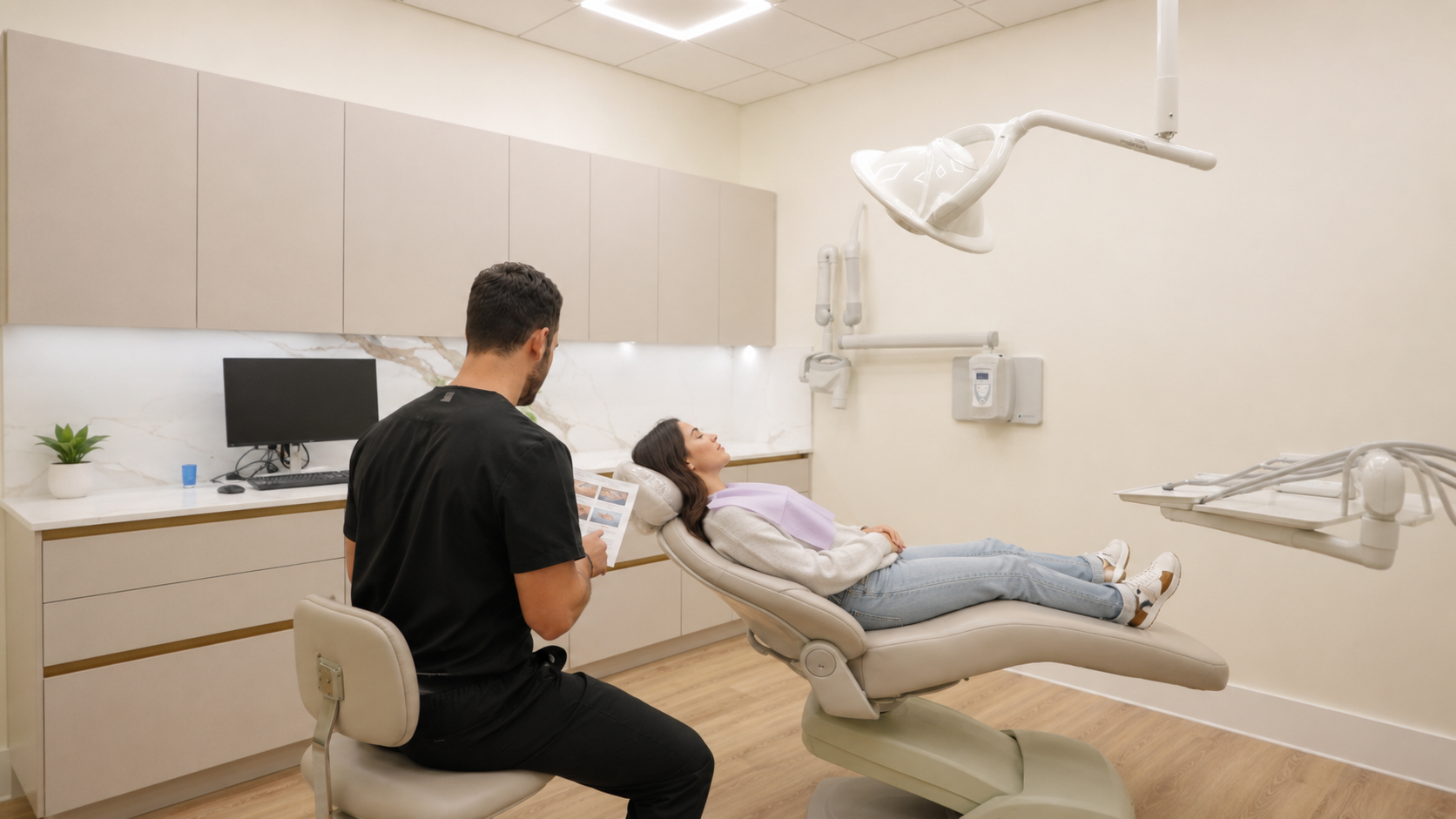
You’ll find practical, easy-to-follow steps that make recovering from dental implants in Hollywood, FL straightforward and less stressful. Follow simple aftercare, manage pain and swelling wisely, and keep your mouth clean to support fast, steady healing.
This post breaks down what to expect right after the procedure, daily oral hygiene tips that protect the implant, lifestyle choices that speed recovery, and clear signs that healing is on track. It also points you to local resources in Hollywood, FL for personalized support so you know when to contact a professional.
Understanding the Dental Implant Procedure
This section explains the practical steps, preparation, and common questions patients in Hollywood, FL should expect. It focuses on scheduling, surgical details, recovery milestones, and how the dental team addresses typical concerns.
What to Expect Before Surgery
Patients meet with the implant dentist for a focused consultation and 3D CBCT imaging to map bone volume and nerve locations. They receive a written treatment plan that lists implant size, number, timeline, and cost estimates, plus any needed grafting or extractions.
Medical history and medications get reviewed; blood thinners, bisphosphonates, and uncontrolled diabetes require special coordination with physicians. Pre-op instructions often include fasting for IV sedation, an antibiotic or antimicrobial rinse, and arranging transportation home.
Financial options and insurance estimates are discussed, and the office explains anesthesia choices: local anesthesia, nitrous oxide, oral sedation, or IV sedation. Clear consent forms outline risks and benefits so patients know what will happen and why.
The Step-by-Step Process
On surgery day, the team confirms identity, x-rays, and the implant plan. Local anesthesia is applied, and sedation is started if chosen to keep the patient comfortable throughout the procedure.
The surgeon makes a small incision, places the titanium implant into the jawbone, and may place a healing cap or temporary crown. If immediate loading is planned, a temporary tooth is attached; otherwise, the site heals for 3–6 months while osseointegration occurs.
If grafting or sinus lift is required, those steps occur before or during implant placement; grafts use bone from the patient, donor bone, or synthetic material. The final step after healing is placing the abutment and custom porcelain crown, adjusted for bite and aesthetics.
Common Concerns Addressed
Pain is typically mild to moderate and managed with OTC pain relievers or prescribed medication for the first 48–72 hours. Swelling peaks around day 2 and subsides within a week with ice packs and head elevation.
Infection risk is low when patients follow hygiene instructions and complete any prescribed antibiotics. Smoking and poor oral hygiene increase failure risk; quitting and maintaining clean gums improve success rates.
Longevity depends on bone health and maintenance; with good oral care and regular checkups, implants often last decades. If sensitivity, loosening, or unusual discharge appears, the patient should contact the office promptly for evaluation and treatment.
If they want personalized guidance, the office invites them to schedule a consultation to review images, options, and a recovery plan tailored to their health and goals.
Immediate Aftercare Essentials
Expect predictable swelling, mild bleeding, and manageable discomfort after implant placement. Proper icing, eating soft foods, and following first-day precautions protect the surgical site and speed healing.
Managing Swelling and Discomfort
Swelling usually peaks 48–72 hours after surgery and then subsides. Apply an ice pack to the cheek for 15 minutes on, 15 minutes off, during the first 24 hours to limit inflammation. Use a thin cloth between ice and skin to prevent frost injury.
For pain control, take prescribed analgesics exactly as directed. If the surgeon prescribes NSAIDs (ibuprofen) and/or acetaminophen, follow dose intervals; avoid doubling up on medications without checking. If antibiotics are given, finish the course to reduce infection risk.
Elevate the head with extra pillows when resting to reduce fluid pooling in the face. Avoid strenuous exercise and heavy lifting for at least 48–72 hours, as increased blood pressure can worsen swelling and bleeding.
Recommended Diet Post-Implant
Stick to soft, nutrient-dense foods for the first 3–7 days. Examples: mashed potatoes, Greek yogurt, scrambled eggs, smoothies (drink with a wide straw only if surgeon approves), well-blended soups that are warm but not hot, applesauce, and well-cooked pasta.
Avoid hard, crunchy, sticky, or chewy items such as nuts, chips, beef jerky, gum, and tough bread for at least two weeks or until the clinician confirms healing. Do not use the implant side for chewing until given clearance; favor the opposite side.
Limit very hot beverages and spicy foods for 48 hours because heat and irritation can increase bleeding and discomfort. Maintain hydration; sip water frequently. If eating cold foods (ice cream, smoothies) helps with swelling and comfort, those are fine.
First-Day Do’s and Don’ts
Do rest and keep activity low for the remainder of the day. Do bite gently on gauze pads as instructed to control bleeding and change them when soaked; bleeding should taper to light spotting within a few hours.
Do follow medication instructions: take antibiotics with food if suggested, and start oral rinses only when the clinic recommends (often after 24 hours) using warm saline (½ teaspoon salt in 8 oz water) to gently rinse after meals.
Don’t rinse vigorously, spit forcefully, or use mouthwash with alcohol during the first 24 hours. Don’t smoke or use nicotine products for at least 72 hours, as they delay healing and raise infection risk. Avoid drinking through a straw for 7–10 days to prevent dislodging the blood clot and sutures.
Oral Hygiene During Recovery
Maintaining cleanliness around the implant site prevents infection, reduces swelling, and supports faster healing. Gentle techniques, appropriate rinses, and careful brushing/flossing protect the surgical area while keeping the rest of the mouth healthy.
Best Practices for Gentle Cleaning
Patients should avoid touching the implant site with fingers or tongues during the first week to reduce contamination. Use a soft, disposable tissue to dab external swelling; do not apply pressure over the implant.
Perform gentle cleaning twice daily. For the first 7–10 days, cleanse adjacent teeth and gum margins with a soft-bristled toothbrush and minimal pressure. Hold the brush at a 45° angle and use short, light strokes rather than scrubbing.
If sutures are present, clean around them using a moistened cotton swab or gauze. Replace the swab frequently to avoid dragging debris into the wound. Any persistent bleeding beyond 24 hours or increased pain should prompt a call to the dentist.
Safe Mouth Rinse Options
Saltwater rinse: Mix 1/2 to 3/4 teaspoon of table salt in 8 ounces (240 mL) of warm water. Rinse gently for 30 seconds and spit; do this 3–4 times daily, especially after meals, to reduce bacteria and soothe tissues.
Antimicrobial rinse: Use a chlorhexidine gluconate 0.12% rinse only if the dentist prescribes it. Follow instructions—typically rinse for 30 seconds twice daily for up to two weeks. Do not use long-term without professional guidance due to staining and taste alterations.
Avoid commercial mouthwashes containing alcohol for the first two weeks because alcohol can irritate healing tissue. If swelling or a bad taste develops after a rinse, stop using it and contact the dental office.
Brushing and Flossing Techniques
Brushing: Use a new, soft-bristled toothbrush or an extra-soft powered brush on a low setting. Clean all tooth surfaces, but near the implant use feather-light strokes perpendicular to the gum line to lift plaque away without disturbing the implant.
Flossing: Begin flossing around the implant as directed—usually after the first week. Slide dental floss gently between teeth and curve it into a C-shape against each tooth, moving up and down. For implants with restorations, use floss designed for implants or a floss threader to avoid snagging.
Interdental aids: Soft interdental brushes (0.6–1.0 mm) or water flossers on a low setting can help remove food debris around implants. Use them cautiously and under the dentist’s guidance during early healing to avoid pressure on the surgical site.
Promoting Healing and Comfort
Patients should expect manageable discomfort, swelling that peaks in the first 48–72 hours, and gradual improvement over two weeks. Following prescribed medications, using cold then warm compresses, and maintaining gentle oral hygiene speeds recovery and reduces complications.
Effective Pain Management
He prescribes pain control tailored to the procedure’s complexity. For simple implant placement, over-the-counter ibuprofen (200–400 mg every 4–6 hours as needed, max 1200 mg/day OTC) usually suffices; for more extensive surgery, short courses of prescribed opioids may be provided with clear instructions to avoid driving and to limit use to 48–72 hours.
He recommends taking the first dose of pain medication before the local anesthesia fully wears off to maintain steady control. If on blood thinners or with medical conditions, he advises coordinating with the physician and using acetaminophen instead of NSAIDs when directed. Report increasing or throbbing pain, fever, or spreading redness—these may signal infection or other complications.
Tips for Reducing Inflammation
He suggests cold packs applied to the cheek for 10–15 minutes on, 10–15 minutes off during the first 48 hours to reduce swelling and bruising. After 48 hours, switching to warm, moist heat helps circulation and eases muscle stiffness around the jaw.
Dietary choices affect swelling: eat soft, protein-rich foods like Greek yogurt, scrambled eggs, and blended soups for 7–10 days. Avoid hot liquids, spicy foods, and hard or crunchy items that irritate the site. Gentle rinsing with saline (1/2 teaspoon salt in 8 oz warm water) starting 24 hours after surgery, performed 3–4 times daily, lowers bacterial load without disturbing the implant. Elevate the head while sleeping and avoid heavy lifting for 3–5 days to minimize venous pressure and swelling.
Lifestyle Choices That Aid Recovery
Small, deliberate changes in daily habits speed healing and reduce complications. Limiting physical strain, avoiding certain foods and substances, and prioritizing sleep and stress control help the implant integrate and the gum tissue recover.
Activities to Avoid
Avoid strenuous exercise and heavy lifting for at least 72 hours after surgery; increased heart rate and blood pressure raise the risk of bleeding and swelling. Refrain from bending over or sudden jerking movements that can dislodge blood clots or disturb the surgical site.
Do not use straws, spit forcefully, or smoke for a minimum of 7–14 days. These actions create suction in the mouth that can cause dry socket-like issues or pull sutures loose. Avoid hard, crunchy, or chewy foods (nuts, chips, steak) for the first two weeks; choose soft options like mashed potatoes, yogurt, scrambled eggs, and well-cooked pasta.
Steer clear of alcohol while on prescription painkillers and during the initial healing phase. Alcohol can interact with medications and delay tissue repair. Also limit hot baths, saunas, and prolonged sun exposure for several days to prevent increased swelling and bleeding.
Importance of Adequate Rest
Sleep supports immune function and bone remodeling, both critical for osseointegration. Patients should aim for 7–9 hours nightly and consider extra daytime rest on the first 48–72 hours to reduce swelling and discomfort.
Elevate the head slightly with an extra pillow while sleeping for the first few nights to minimize pooling of fluids and nighttime bleeding. Rest also lowers the chance of accidental contact with the surgical area; sleeping on the opposite side reduces pressure on the implant.
Manage stress and avoid mentally taxing tasks in the first week, as cortisol spikes can slow healing. Gentle short walks are fine once cleared by the dentist, but prioritize low-impact recovery activities until follow-up confirmation of stable healing.
Signs of Healthy Progress
Most patients see steady improvements in pain, swelling, and gum appearance during the first few weeks. Stable implants, diminishing soreness, and predictable changes in the surgical site signal recovery on track.
What Normal Healing Looks Like
In the first 24–72 hours, mild-to-moderate swelling and bruising around the implant site are common and usually peak within 48 hours. Pain should be manageable with prescribed or over-the-counter analgesics and steadily decline each day.
By days 7–14, sutures (if present) are often removed or begin to dissolve, and the gum tissue starts to firm up and lose its bright red color. Slight bleeding with vigorous rinsing or brushing can occur, but persistent bleeding beyond 24 hours after initial control is uncommon.
Within 4–6 weeks, the gum should look pink and healthy, and chewing on the opposite side is often advised until osseointegration proceeds. Sensations such as mild numbness or tingling typically resolve; persistent or worsening numbness after two weeks should be evaluated.
When to Call Your Dentist
Contact the dentist promptly if bleeding soaks through a gauze pad every 20–30 minutes after applying firm pressure for one hour. This suggests the bleeding is not controlled and needs professional attention.
Call if swelling rapidly increases after 72 hours, especially if accompanied by fever above 101°F (38.3°C) or increasing pain that does not respond to medication. These signs may indicate infection requiring antibiotics or further care.
Also report loose implants, a gap developing between the crown and gum, foul taste or persistent bad breath despite good hygiene, and any new or spreading numbness or weakness in the face. Early communication prevents complications and helps the clinician guide next steps.
Long-Term Care for Dental Implants
Proper daily habits and periodic professional care keep implants stable and comfortable for years. Consistent oral hygiene, timely dental visits, and protective measures reduce risks like peri-implantitis and implant wear.
Routine Checkups
Patients should schedule professional exams every 3–6 months for the first year after implant placement, then every 6–12 months based on risk factors. These visits include visual inspection, periodontal probing around the implant, and bite assessment to ensure the crown and abutment remain secure.
Dental professionals use digital X-rays or CBCT scans when bone loss or root concerns arise. Hygienists perform gentle instrument cleaning with plastic or titanium scalers to avoid scratching the implant surface; ultrasonic devices with implant-safe tips are common.
Clinicians monitor soft tissue health, measure pocket depths, and document any bleeding on probing. Early treatment of inflammation—antimicrobial rinses, local antibiotics, or deeper cleaning—prevents progression to bone loss. Patients should bring a list of medications and note changes in medical history at each visit.
Protecting Your Implant Investment
Avoiding hard, sticky, or extremely chewy foods protects prosthetic crowns and abutments. Patients are advised to cut hard items like nuts and ice into smaller pieces and use the opposite side of the mouth temporarily if discomfort occurs.
Night guards help patients who grind or clench teeth; dentists custom-fit an occlusal guard to distribute forces and prevent screw loosening or fracture. For athletes or contact sport participants, a mouthguard custom-made by the dentist offers superior protection compared with store-bought options.
Tobacco cessation significantly lowers the risk of implant complications; clinicians provide resources or referrals for quitting. Patients should also maintain optimal blood sugar control if diabetic, since elevated glucose impairs healing and increases infection risk. Regularly replace worn prosthetic components and report looseness, persistent discomfort, or unusual mobility promptly to the dental office.
Personalized Support in Hollywood, FL
Patients in Hollywood, FL receive individualized care plans that match their medical history and lifestyle. The dental team evaluates healing needs, schedules follow-ups, and adjusts medications to reduce pain and swelling.
They offer local support for transportation and scheduling to make appointments easier. Many clinics provide flexible hours and reminder systems to keep recovery on track.
Aftercare instructions come in clear, printable formats and often include videos or text reminders. These resources help patients follow diet, oral hygiene, and activity guidelines without confusion.
Clinics in Hollywood focus on comfort with options like sedation and advanced pain control. Staff explain each option, so patients feel informed and calm before and after surgery.
Patients with anxiety or complex health conditions can access multi-disciplinary consultations. These coordinate care with primary physicians or specialists when needed.
Common services often include:
- Personalized medication plans
- Post-op emergency contact numbers
- In-office and telehealth follow-ups
A friendly dental team answers questions and adjusts care as recovery progresses. Patients are encouraged to call with concerns and schedule a follow-up to ensure healing moves forward smoothly.
Frequently Asked Questions
This section explains common concerns about pain, swelling, diet, cleaning, and when to contact the dentist after a dental implant in Hollywood, FL. It gives specific, practical steps patients can use during the first week to promote comfort and healing.
What should I expect during the first 24 hours after getting a dental implant?
Patients should plan on mild-to-moderate bleeding, swelling, and soreness where the implant was placed. Ice packs applied 15 minutes on, 15 minutes off for the first 6–12 hours reduce swelling, and biting gently on gauze controls bleeding for the first 1–3 hours.
Expect to take prescribed pain medication or over-the-counter ibuprofen/acetaminophen as directed; avoid aspirin for 48 hours unless the dentist advised otherwise. Rest at home, keep the head elevated while lying down, and avoid strenuous activity for at least 24–48 hours.
Which day is usually the most uncomfortable after implant surgery, and how can I stay comfortable?
Discomfort often peaks between 48 and 72 hours after surgery as the local anesthetic wears off and inflammation increases. Continue scheduled pain medication, use cold compresses on day one and switch to warm compresses after 48–72 hours to help muscle relaxation and circulation.
Sleep with extra pillows to reduce swelling and take soft-food meals to avoid chewing at the surgical site. Follow the dentist’s instructions for antibiotics if prescribed to reduce infection risk and call the clinic for stronger pain control if discomfort is uncontrolled.
What are the best ways to help my dental implant heal faster at home?
Maintain good oral hygiene but avoid direct agitation of the implant site during the first week. Rinse gently with salt water (1/2 teaspoon salt in 8 ounces of warm water) 3–4 times daily, especially after meals.
Avoid smoking and vaping, because nicotine delays bone and gum healing. Eat nutrient-dense soft foods, stay hydrated, and follow the dentist’s schedule for follow-up visits and any prescribed medications.
What foods and drinks are safest during the first week of recovery?
Choose soft, nonacidic foods such as Greek yogurt, mashed potatoes, scrambled eggs, smoothies (consume with a spoon), and well-blended soups. Keep temperatures moderate; avoid very hot foods and drinks that can increase bleeding or discomfort.
Avoid crunchy, sticky, or hard foods like chips, nuts, and chewy candy. Also avoid alcohol for at least 48–72 hours if antibiotics or narcotic pain medications were prescribed.
How do I clean my mouth around the implant site without disturbing healing?
Brush teeth carefully using a soft-bristled toothbrush and avoid brushing the surgical site for the first 24 hours. After 24 hours, gently brush nearby teeth and use a cotton swab or a soft brush at the margin without applying pressure to the implant area.
Rinse with salt water or a dentist-recommended antimicrobial rinse as directed, but do not spit forcefully. Attend any scheduled professional cleanings or checks so the clinician can safely assess healing.
When should I call my dentist if swelling, bleeding, or pain doesn’t seem normal?
Contact the dental office if bleeding soaks through two gauze pads within an hour, swelling rapidly worsens after 72 hours, or pain increases instead of gradually improving. Also call if fever exceeds 101°F (38.3°C), foul taste or discharge develops, or numbness persists beyond expected durations.
Keep the clinic’s after-hours number handy and seek urgent care if breathing or swallowing becomes difficult. The dentist can advise whether immediate care, prescription changes, or a same-day visit are necessary.