
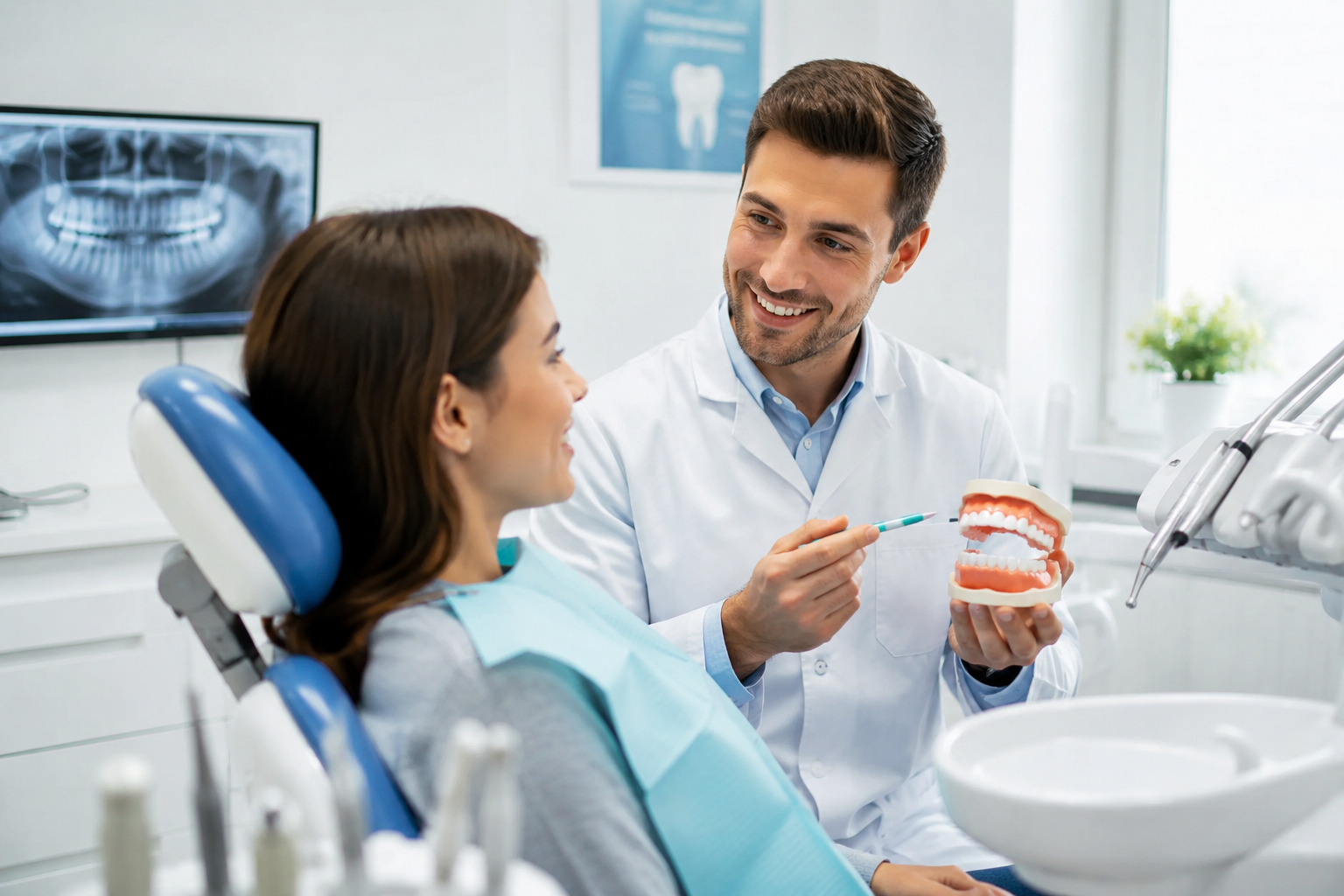
If you’re exploring affordable veneers in Hollywood, FL, this introduction shows what to expect and whether veneers might make sense for your smile. Veneers can deliver a natural-looking, long-lasting improvement at costs that many local practices tailor to different budgets.
They explain how veneers work, who benefits most, and the cost factors specific to Hollywood, FL, so you can compare options with confidence. The article also covers affordable alternatives, the typical procedure, and tips for choosing a local expert who prioritizes comfort and lasting results.
Understanding Veneers
Veneers are thin, custom-made coverings applied to the front surface of teeth to improve appearance, function, and durability. They address color, shape, size, and minor alignment issues while preserving most natural tooth structure.
What Are Dental Veneers?
Dental veneers are wafer-thin shells bonded to teeth to change their appearance. Dentists typically use porcelain or composite resin; porcelain is stronger and more stain-resistant, while composite is less expensive and repairable in the office.
Preparation usually requires removing 0.3–0.7 mm of enamel to create space for the veneer, then taking impressions for fabrication. Porcelain veneers often need two visits—prep and final bonding—while direct composite can be placed in one visit. Longevity varies: porcelain veneers commonly last 10–15 years with good care; composite may last 5–7 years.
Candidates include people with stained, chipped, worn, slightly misaligned, or unevenly spaced front teeth. Dentists evaluate oral health, bite alignment, and enamel thickness before recommending veneers.
How Veneers Improve Your Smile
Veneers correct multiple cosmetic concerns at once: tooth color, minor spacing, shape irregularities, and small chips. They create a uniform look by matching shade, translucency, and contour to neighboring teeth or a chosen aesthetic goal.
They also improve function by restoring worn surfaces and protecting weakened enamel. Patients notice improved confidence and a natural appearance when veneers are properly designed and bonded. Good oral hygiene, avoiding hard bites (ice, hard candies), and wearing nightguards for bruxism extend veneer life.
Realistic expectations matter: veneers do not whiten teeth after placement, and extensive orthodontic needs may require alternative treatment first.
Types of Veneers Available
Porcelain veneers: fabricated in a dental lab from layered ceramic, they offer superior aesthetics and stain resistance. Typical procedure: tooth prep, impressions, temporary veneers, then final bonding. Costlier but longer-lasting.
Composite veneers: sculpted directly on the tooth using resin. They cost less and can be completed in one appointment. Repairs are simpler, but they stain and wear faster than porcelain.
No-prep or minimal-prep veneers (e.g., ultra-thin porcelain) preserve more enamel and suit patients with small cosmetic issues or protruding teeth. Not everyone qualifies; dentists assess tooth position and bite.
Comparison at a glance:
- Porcelain: high durability, high cost, lab-made, excellent aesthetics.
- Composite: lower cost, quicker, easier repairs, shorter lifespan.
- No-prep: conservative, limited indications, can preserve enamel.
Patients should consult a dentist to evaluate oral health, budget, and aesthetic goals before choosing a veneer type.
Who Can Benefit from Veneers?
Veneers can correct visible issues like chips, stains, gaps, uneven length, and mild crowding, while also improving overall smile symmetry and tooth color. Many patients seek veneers to achieve a natural-looking, durable improvement with minimal disruption to daily life.
Common Dental Concerns Veneers Address
Veneers reliably mask surface stains that do not respond to whitening, such as tetracycline discoloration or deep enamel staining. They cover small chips and fractures that affect appearance but do not require full crowns.
A thin layer of porcelain or composite restores worn or uneven tooth edges, creating more balanced tooth length and better smile proportion. Veneers can close minor gaps and correct teeth that sit slightly rotated, producing straighter visual alignment without braces for many cases.
They do not replace extensive structural repair; teeth with large fillings, active decay, or significant bite problems may need other treatments first. Speak with a dentist to confirm if veneers directly address the specific cosmetic issues and whether preparatory care is necessary.
Ideal Candidates for Treatment
Ideal candidates want cosmetic improvement for the front teeth and have generally healthy gums and solid tooth structure. Patients should be free of active gum disease or untreated large cavities before getting veneers.
People who grind their teeth heavily may need a night guard or alternative therapy, because veneers can chip under strong clenching forces. Those seeking conservative changes—color correction, minor shape alteration, or small gap closure—often find veneers a predictable option.
Candidates should understand the permanence: some enamel removal is usually required for porcelain veneers. A consultation with X-rays and bite evaluation helps determine whether veneers suit the patient’s oral health and aesthetic goals.
Age Considerations
There is no strict age cutoff for veneers, but dentists commonly recommend them for adults whose teeth and jaws have finished developing. Teenagers should wait until growth stabilizes unless a specialist advises otherwise.
Older adults can benefit from veneers to replace worn or discolored restorations, provided they maintain good gum health and adequate remaining tooth structure. Bone loss or severe periodontal disease may require treatment before cosmetic work.
Long-term maintenance matters at any age—regular dental checkups, good oral hygiene, and protective measures (like a night guard) support veneer longevity and oral health.
Cost Factors in Hollywood, FL
Prices for veneers in Hollywood, FL vary by material quality, lab processes, provider experience, and payment choices. Patients typically see a range in costs depending on whether they choose porcelain or composite, in-office or outsourced labs, and whether insurance or financing applies.
Materials and Pricing
Porcelain veneers commonly cost between $900 and $2,000 per tooth in Hollywood, FL because of the material strength, lifelike translucency, and laboratory work required. Labs that use feldspathic or lithium disilicate (e.g., IPS e.max) and offer shade-matching and stain glazing increase the price compared with simpler pressed porcelain.
Composite resin veneers can range from $250 to $800 per tooth when applied directly by the dentist. They cost less due to lower lab involvement and shorter chair time, but they stain and chip sooner and usually need refinishing every 3–7 years.
Costs also reflect the number of teeth treated. Full-smile cases (8–10 teeth) and staged treatment plans lower per-tooth pricing in some practices. Additional fees for preliminary work — such as digital scans, X-rays, or temporary veneers — should be expected.
Local Practice Differences
Dental clinics in Hollywood, FL show price variation tied to clinician experience and clinic overhead. Specialists or cosmetic dentists with advanced training often charge more; general dentists offering veneers at lower prices may outsource to different labs.
Clinic location matters: offices near major corridors like Young Circle or A1A may have higher overhead and higher fees than suburban locations. Practices using in-house milling centers (CEREC) provide same-day veneers at a premium for convenience and fewer visits.
Reputation and guarantees also affect cost. Practices that include follow-up adjustments, one-year polishing, or limited warranties may charge higher upfront fees but reduce long-term maintenance costs. Patients should compare before-and-after portfolios and ask about lab partners and refinement policies.
Insurance and Payment Options
Most dental insurance plans consider veneers cosmetic and exclude coverage, so patients usually pay out of pocket. Exceptions occur when veneers are part of restorative work following trauma; in those cases, partial coverage may apply after preauthorization.
Many Hollywood practices offer financing plans (3–60 months) through third-party lenders with interest rates varying by term. In-house payment plans, CareCredit, and third-party medical credit are commonly accepted. Ask for cost breakdowns showing lab fees, dentist fees, and ancillary charges to evaluate financing offers accurately.
Tax-advantaged accounts like Health Savings Accounts (HSA) or Flexible Spending Accounts (FSA) can be used when veneer treatment is deemed medically necessary by a dentist. Patients should request written estimates and confirm payment timelines before scheduling.
Affordable Options for Patients
Patients can reduce veneer costs through structured payment plans, seasonal discounts, and choosing high-value materials and providers. Practical steps include comparing financing terms, confirming what lab and materials are used, and prioritizing long-term benefits like durability and warranty.
Payment Plans and Financing
Many dental offices in Hollywood, FL partner with third-party lenders such as CareCredit, LendingClub Patient Solutions, and in-house financing to spread veneer costs over 6–60 months. Typical APRs range from 0% promotional offers for 6–18 months to variable rates around 8–20% for longer terms; patients should request the exact APR, monthly payment, and total interest before signing.
Ask the practice for an itemized estimate that separates lab fees, material costs, and chair time. This helps compare offers and decide whether to finance only the lab portion or the entire treatment. Some clinics allow low down payments or deferred interest plans; verify late-payment penalties and whether prepayment incurs fees. For those with strong credit, a low-interest personal loan can be cheaper than medical financing.
Finding Discounts and Specials
Dental offices often run promotions around holidays or offer discounts for new patients, referrals, or bundled cosmetic packages (for example, veneers plus whitening). Request any current special and check the practice’s website and social media for coupon codes and seasonal deals.
Ask about membership plans that provide annual preventive care plus discounts on restorative and cosmetic work. Some practices waive consultation fees or include digital smile mockups at no extra cost. Community dental schools and accredited dental labs may offer reduced rates; verify the supervising dentist’s experience and the lab’s warranty policies before committing.
Prioritizing Value Over Price
Choosing the cheapest veneer can lead to faster wear, poorer color matching, and higher long‑term costs from replacements. Patients should evaluate material (porcelain vs. composite), lab quality (local accredited lab vs. low-cost overseas labs), and warranty (1–10 years) when judging value.
Request before-and-after photos of the dentist’s recent veneer cases and confirm if the practice uses digital design and shade-matching technology. Consider paying slightly more for porcelain veneers fabricated at a reputable lab and bonded by a dentist with cosmetic training; this often yields better longevity and fewer follow-up costs. Prioritize total cost of ownership—initial expense, expected lifespan, and potential repair fees—when making the final decision.
What to Expect During the Procedure
This section outlines how the team evaluates teeth, prepares surfaces, places veneers, and supports healing and maintenance. It emphasizes practical steps, typical timelines, and what the patient will experience in the chair and at home.
Initial Consultation
The dentist reviews medical and dental history, current medications, and cosmetic goals during a 30–45 minute visit. They take digital photos, intraoral scans or impressions, and a set of bite records to plan veneer size, shape, and shade precisely.
X-rays or CBCT imaging may be used if underlying tooth structure or root health is a concern. The clinician explains options—porcelain versus composite veneers—cost estimates, lifespan expectations, and whether preparatory work (fillings, root canals) is needed.
A mock-up or digital preview usually helps the patient visualize results. The staff discusses financing, insurance limits, and scheduling so the patient knows appointment counts, typical intervals, and total out-of-pocket estimates before treatment begins.
Step-by-Step Treatment Process
Preparation often starts with conservative enamel reshaping; about 0.3–0.7 mm is commonly removed for porcelain veneers. Local anesthetic is offered; many patients feel only light pressure during enamel reduction.
After preparation, the dentist takes precise digital scans or traditional impressions. Temporary veneers may be placed the same day when porcelain lab fabrication requires 1–2 weeks. For same-day composite veneers, the dentist sculpts and cures material chairside in a single appointment.
At final placement, the technician or dentist checks fit, contacts, and shade under natural light. The tooth is cleaned, etched, and a bonding agent applied. Cement is placed, veneer positioned, and excess removed; each veneer is light-cured for secure adhesion.
Bite adjustments and polishing follow to ensure comfortable chewing and speech. Typical total visits: 2–3 for porcelain, 1–2 for composite. Appointment lengths range from 60 to 90 minutes for placement procedures.
Recovery and Aftercare Tips
Mild sensitivity to hot/cold is common for 1–14 days after preparation; desensitizing toothpaste and avoiding extreme temperatures usually help. Over-the-counter ibuprofen or acetaminophen addresses short-term discomfort if needed.
Maintain excellent oral hygiene—brush twice daily with a non-abrasive toothpaste and floss gently at the gum line. Schedule a follow-up at 1–2 weeks to check margins and bite, then routine dental cleanings every 3–6 months as recommended.
Avoid biting hard objects (ice, pens, fingernails) and minimize staining foods for the first 48–72 hours; porcelain resists stains but composite can discolor without care. If a veneer debonds, contact the office promptly; same-day re-cementation is often possible.
Benefits of Choosing a Local Expert
Choosing a local provider brings tailored care, better communication, and reliable follow-up. Patients receive treatments matched to regional lifestyles, insurance networks, and realistic travel times.
Personalized Care Experience
A local dentist in Hollywood, FL evaluates each smile with specific lifestyle factors in mind, such as frequent sun exposure that can affect tooth sensitivity or local diet habits that influence staining. They typically review a patient’s dental history, daily routines, and cosmetic goals during an initial consult, then propose veneer materials and shades that suit skin tone and bite dynamics.
Local clinics often keep the same clinician for consultation and placement, which reduces miscommunication between diagnosis and treatment. That continuity allows adjustments—such as modifying veneer thickness for comfort or changing shade selection after a temporary try-in—without long delays. Patients benefit from face-to-face shade matching under natural South Florida light, improving aesthetic predictability.
Understanding Community Needs
A Hollywood, FL practitioner understands regional insurance networks, common oral health trends, and the local demographic mix—commuters, retirees, and seasonal residents. This knowledge helps them advise on financing options, timing treatments around travel seasons, and selecting durable materials for active lifestyles.
They also know which neighboring specialists to coordinate with, such as orthodontists for minor alignment before veneers or periodontists for gum health management. That network reduces referral friction and consolidates appointments. Clinics familiar with community needs often offer flexible scheduling, bilingual staff, and patient education resources tailored to local concerns like humid-weather sensitivity or popular dietary acids.
Post-Treatment Support
Local offices provide timely follow-up care that matters after veneer placement—same-week adjustments, emergency repairs for chips, and routine polishing to preserve margins. Being nearby shortens response times for complications and makes maintenance visits less disruptive to daily life.
They supply clear, location-specific aftercare instructions, such as recommended local labs for night guards and nearby pharmacies that stock desensitizing agents. Many also offer reminder systems aligned with regional calendars and personal schedules, helping patients keep maintenance check-ups and protect their investment.
If they want to learn more or schedule a consultation, patients can contact the local office to discuss options and financing tailored to their situation.
Comparing Veneers to Other Cosmetic Solutions
This section focuses on practical differences in cost, durability, tooth preparation, and aesthetics to help readers pick the right cosmetic option for their situation.
Veneers vs. Bonding
Veneers are thin porcelain or composite shells bonded to the front of teeth. Porcelain veneers resist staining and mimic natural enamel texture; they typically require 0.3–0.7 mm of enamel removal and two to three visits when using a local lab.
Bonding uses composite resin placed and shaped directly on the tooth in a single visit. It usually costs less upfront and preserves more natural tooth structure, but it stains and chips more easily than porcelain.
For patients with gaps, minor chips, or discoloration, bonding is a fast, lower-cost fix. For larger color corrections, severe enamel wear, or when long-term stain resistance matters, porcelain veneers offer superior aesthetics and longevity despite higher cost and more tooth reduction.
Insurance rarely covers either when done for cosmetic reasons. Discuss budget, desired lifespan, and willingness for possible future touch-ups when choosing between the two.
Veneers vs. Crowns
Crowns encase the entire tooth and restore function as well as appearance. They require more aggressive reduction—often 1.0–1.5 mm circumferentially—and may be chosen when teeth have large fillings, decay, or structural weakness.
Veneers cover only the front and are more conservative if the back and biting surfaces are healthy. Porcelain veneers preserve more tooth structure, feel more natural for minor-to-moderate cosmetic issues, and produce excellent translucency for a lifelike smile.
Crowns provide greater strength and protection for compromised teeth and are often the better long-term choice when root canal treatment, extensive cavities, or heavy bite forces are present. Cost differences vary by material; full-coverage crowns and veneers can be comparable in price depending on lab fees and materials used.
A careful clinical exam and bite analysis determine whether conservation or full coverage best balances function and aesthetics.
Longevity and Maintenance
Porcelain veneers last roughly 10–15 years with proper care; some last longer when patients avoid hard biting, clenching, and staining foods. Regular dental cleanings, fluoride toothpaste, and nightguards for bruxism extend lifespan.
Composite veneers and bonding typically last 4–7 years and need more frequent touch-ups for chips and stains. Repairs are usually simpler and less costly than replacing porcelain restorations.
Crowns often last 10–15 years or longer, depending on material and oral hygiene, but replacement involves more invasive work. Patients should maintain twice-yearly checkups, address gum inflammation promptly, and use non-abrasive toothpaste to protect margins.
Discuss realistic timelines and maintenance expectations with the dentist to match budget, lifestyle, and oral health priorities.
Maintaining Your Smile Long Term
Consistent daily habits and timely dental checkups protect veneers from chips, staining, and gum complications. Small changes in cleaning, diet, and behavior extend the lifespan and keep teeth healthy under the veneers.
Daily Care Recommendations
Brush twice daily with a soft-bristled toothbrush and non-abrasive fluoride toothpaste to avoid scratching the veneer surface. Use 45–60 second gentle strokes along the gumline and veneer margins; harsh scrubbing can lift edges over time.
Floss once daily using a waxed floss or a floss threader for tight contacts to prevent food trapping and gum inflammation. Consider interdental brushes sized to the contact gap if flossing is difficult; these reduce plaque without abrading the veneer.
Avoid habitual biting of hard objects like ice, pens, or fingernails. If grinding or clenching occurs, wear a custom nightguard to distribute forces and prevent chipping. Limit highly acidic or highly pigmented beverages (coffee, red wine, cola) or rinse with water after consuming them to minimize surface discoloration.
Use alcohol-free antiseptic mouthwash if recommended by the dentist; some mouthwashes contain alcohol that can weaken the bonding cement. Maintain a balanced diet rich in calcium and vitamin D for healthy enamel on adjacent natural teeth.
When to Schedule Follow-Up Visits
Schedule a first follow-up 1–2 weeks after veneer placement to check bite, fit, and gum healing. The dentist will adjust occlusion and polish margins; addressing minor issues early prevents larger problems.
Keep routine dental exams every six months for professional cleaning and inspection of veneer margins and underlying tooth structure. The hygienist removes plaque near margins and the dentist assesses bonding integrity and any signs of decay.
Arrange an appointment immediately for any sharp pain, visible gaps at veneer edges, or a loose veneer. For minor chips, same-day repair is often possible; a loose veneer may require rebonding or replacement, depending on damage and underlying tooth condition.
If the patient experiences teeth grinding, schedule a nightguard evaluation and periodic checks every 6–12 months to monitor wear. Report persistent sensitivity, gum recession, or color changes around veneers right away so the dentist can act before more invasive treatment becomes necessary.
Taking the Next Step
They should start with a consultation to discuss goals, budget, and medical history. A short exam and digital photos help the dentist recommend veneer types and timelines.
Patients often appreciate a cost estimate up front. Many practices offer tiered pricing, payment plans, or financing; ask about what’s included — lab fees, temporary veneers, and follow-up visits.
A clear plan lists appointments, expected procedures, and aftercare instructions. Typical steps include tooth preparation, impressions or digital scans, a temporary phase, and final bonding.
Comfort matters during every visit. Local anesthesia and gentle techniques minimize discomfort, and clinics often provide sedation options for anxious patients.
They should verify the dentist’s experience with veneers and review before-and-after photos. Reading patient testimonials and confirming warranty or repair policies gives added confidence.
Questions to bring to the appointment:
- What veneer material do you recommend and why?
- How long will the process take from first visit to final bonding?
- What costs and payment options are available?
If they want to move forward, scheduling a consultation is the next practical move. Contacting the office by phone or online form makes arranging that visit simple and quick.
Frequently Asked Questions
This section answers common cost, material, treatment-planning, and provider-selection questions about veneers in Hollywood, FL. It gives specific price ranges, material differences, financing options, practical guidelines for how many veneers to place, an explanation of the “4-8-10” rule, and tips for evaluating local dentists.
How much do veneers typically cost in Florida, and what factors can change the price?
Veneer costs in Florida usually range from $800 to $2,500 per tooth for porcelain and $250 to $600 per tooth for composite. Location, dentist experience, and the dental laboratory quality drive most price differences.
Complexity affects cost: preparatory work like root canals, gum contouring, or replacing old restorations adds fees. Custom shading, premium porcelain types (e.max, zirconia), and same-day CAD/CAM fabrication also raise the price.
Insurance rarely covers cosmetic veneers, though plans might help with medically necessary treatment. Patients should request a written estimate and a list of included services before proceeding.
What’s the difference between porcelain veneers and composite veneers, and which is more budget-friendly?
Porcelain veneers are thin ceramic shells bonded to teeth; they resist stains and last 10–15 years with proper care. Composite veneers consist of tooth-colored resin sculpted directly on the tooth and typically last 5–7 years.
Composite veneers cost less upfront and allow quicker, often single-visit treatment. Porcelain offers better long-term value for durability and aesthetics, but composite suits budget-conscious patients seeking minimal tooth alteration.
Are there payment plans or financing options available to make veneers more manageable?
Many Hollywood dental practices offer in-office payment plans that split costs over several months interest-free or with low interest. Third-party medical/dental lenders (CareCredit, LendingClub) provide multi-month to multi-year financing options.
Dentists may also combine phased treatment—veneers on the most visible teeth first—with financing to spread total cost. Patients should compare interest rates, monthly payments, and any down payment requirements before choosing a plan.
How many veneers do I really need for a natural-looking smile makeover?
A typical cosmetic case covers the upper front 6 to 8 teeth to create symmetry and a natural smile arc. For smaller fixes, 2–4 veneers can improve appearance while preserving more natural enamel.
A dentist evaluates tooth shape, bite, and lip support to recommend the right number. They may suggest a mock-up or temporary veneers so the patient can preview the result before committing.
What does the “4-8-10” rule mean for veneers, and how do I know what’s right for my smile?
The “4-8-10” rule guides how many upper front teeth to treat: 4 for a narrow smile, 8 for a full broad smile, and 10 when side teeth are visible at rest or in speech. It’s a practical starting point, not a rigid prescription.
A consultation with photographs and a smile analysis determines whether 4, 8, or 10 veneers suit facial proportions and bite. The dentist will factor in tooth display at rest, the gum line, and the patient’s aesthetic goals.
How can I choose a reputable local dentist for veneers, and what should I look for in reviews and before-and-after photos?
Choose a dentist with documented cosmetic experience, clear before-and-after galleries, and patient reviews that mention longevity, comfort, and natural-looking outcomes. Look for cases that match the patient’s age and smile type rather than only dramatic celebrity-style makeovers.
Ask about credentialed labs, digital smile design, and whether the dentist offers trial restorations or temporaries. Schedule a consultation to discuss previous cases, request references, and confirm a detailed treatment plan and cost estimate.