
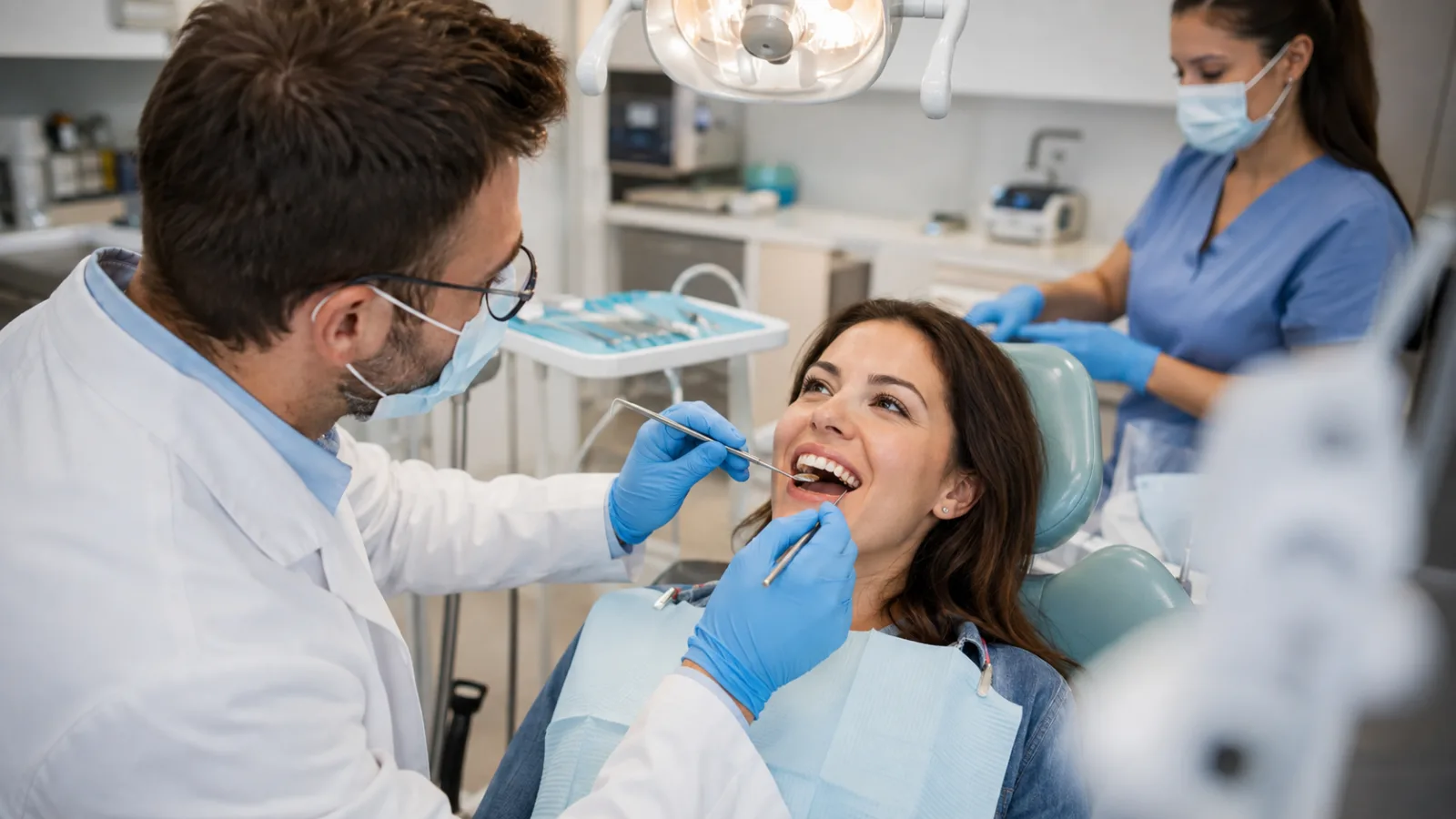
A straighter smile can improve more than appearance. Properly aligned teeth may be easier to clean, while a balanced bite can make everyday functions such as biting and chewing more comfortable. Thanks to modern orthodontic options, adults and teenagers can often choose between traditional braces and discreet clear aligners.
Choosing the right approach is not always as simple as selecting the treatment that looks best. Tooth position, bite concerns, oral health, lifestyle, and willingness to follow instructions all influence the recommendation. For anyone considering orthodontics in Hollywood, FL, an in-person evaluation is the best place to begin.
What Does Orthodontic Treatment Address?
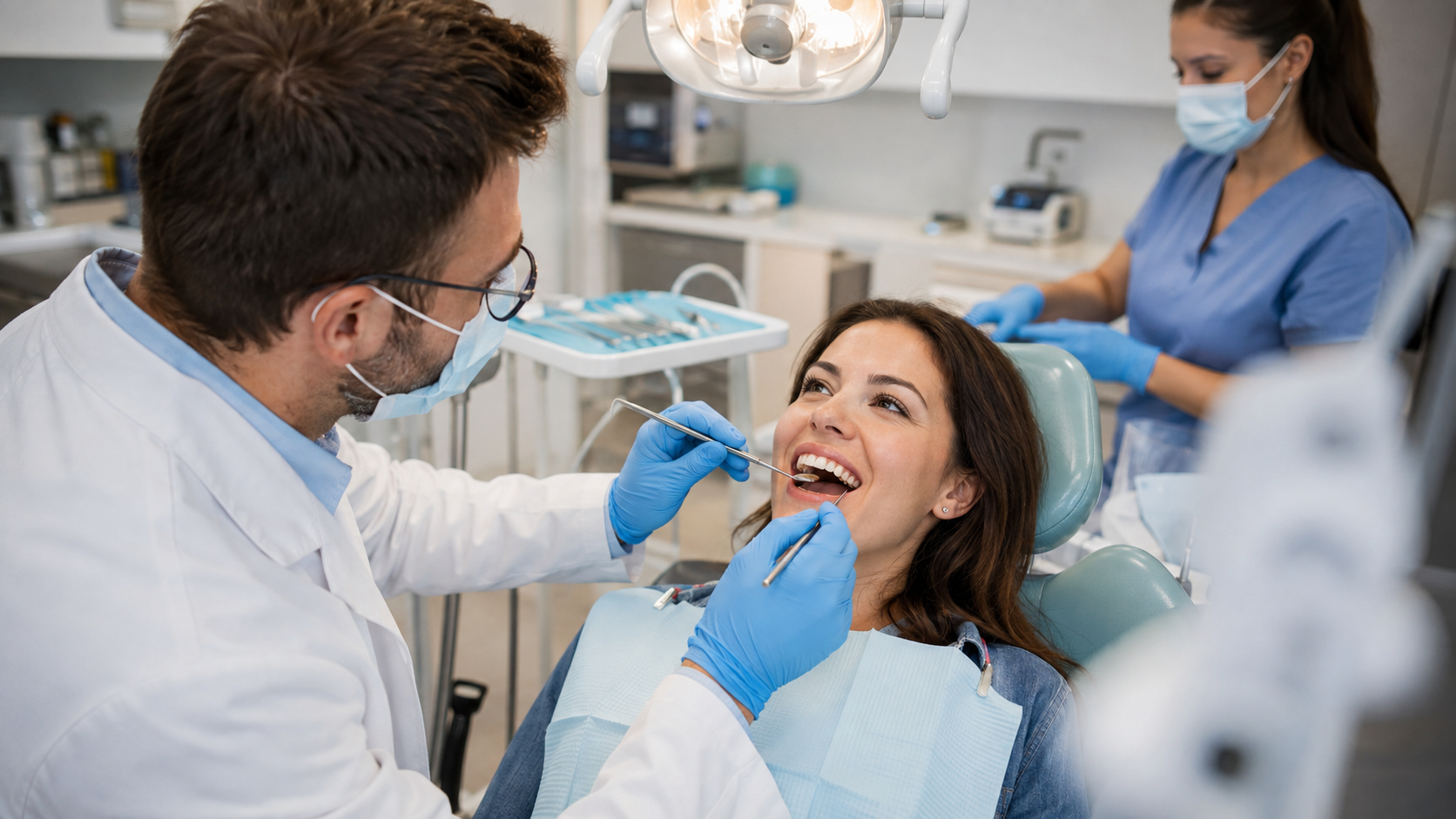
Orthodontic treatment gradually guides teeth toward planned positions. It may be used to address crowded teeth, spaces between teeth, rotated teeth, or certain bite relationships. Common bite concerns include an overbite, underbite, crossbite, or open bite.
Although many people begin treatment because they want a more confident smile, alignment can also affect daily oral care. Overlapping teeth may create narrow areas where a toothbrush and floss are difficult to use. Correcting their position may make a consistent hygiene routine more manageable, but orthodontic treatment does not replace regular cleanings or home care.
Every smile is different. Two patients with similar-looking crowding may have different jaw relationships, gum health, restorations, or treatment goals. That is why a clinical examination and appropriate imaging are important before comparing specific options.
Traditional Braces: Reliable, Fixed Tooth Movement
Traditional braces use brackets attached to the teeth and a wire that connects them. The system applies carefully planned pressure to guide tooth movement. Because braces stay in place, the patient does not need to remember to insert them each day.
When braces may be considered
Braces can provide the clinician with detailed control over individual tooth movement. They may be considered for straightforward alignment as well as more involved crowding or bite concerns. Whether they are appropriate depends on findings from the examination rather than appearance alone.
Fixed braces may also appeal to patients who do not want responsibility for wearing and tracking removable trays. However, they still require active cooperation. Patients need to attend adjustment visits, protect the appliances, and clean carefully around the brackets and wires.
What living with braces is like
It is normal for teeth to feel tender after braces are placed or adjusted. The lips and cheeks may also need time to get used to the brackets. Orthodontic wax and clinician-approved comfort measures can often help with minor irritation. Persistent pain, a loose bracket, or a wire that is causing injury should be reported to the treating office.
Braces require a few dietary changes. Hard, sticky, or very chewy foods may bend wires or loosen brackets. Food can also collect around the appliances, so brushing and interdental cleaning take extra attention.
Clear Aligners: A Removable and Discreet Option
Clear aligners are a series of customized plastic trays that fit over the teeth. Each set is designed to support a portion of the planned movement before the patient advances to the next set according to the clinician’s instructions.
The trays are removable, which allows patients to eat without brackets or wires. They can also remove the aligners to brush and floss. This convenience is one reason many adults and image-conscious teenagers ask about clear aligner treatment.
Ascend Dental + Implant Center offers Invisalign in Hollywood, FL. A consultation is needed to determine whether this type of clear aligner therapy is suitable for a patient’s needs.
Clear aligners require consistency
Removability is both an advantage and a responsibility. Aligners generally need to be worn as directed and removed mainly for eating, drinking anything other than plain water, and oral hygiene. A patient who frequently forgets the trays or leaves them out for extended periods may not progress as planned.
Aligners also need proper care. Patients should clean them using the method recommended by the dental team and avoid exposing them to heat, which may distort the material. Teeth should be cleaned before the trays are reinserted so that food and sugary residue are not trapped against the enamel.
Are clear aligners invisible?
Clear aligners are subtle, but they are not completely invisible. Small tooth-colored attachments may be placed on selected teeth to help the trays produce specific movements. Someone looking closely may notice the trays or attachments, although many patients still find them less noticeable than metal braces.
Braces vs. Clear Aligners: How Do They Compare?
The best choice depends on clinical needs and everyday habits. The following comparison can help patients prepare for a more detailed conversation with a dental professional.
| Consideration | Traditional Braces | Clear Aligners |
|---|---|---|
| Visibility | Usually more noticeable | Generally discreet |
| Removability | Fixed to the teeth | Removed for meals and cleaning |
| Patient responsibility | Careful cleaning and appliance protection | Consistent wear, cleaning, and tray tracking |
| Food choices | Some hard and sticky foods should be avoided | Few appliance-related restrictions when trays are removed |
| Oral hygiene | Requires cleaning around brackets and wires | Trays can be removed for brushing and flossing |
| Clinical suitability | Can address a broad range of movements | Depends on the type and complexity of movement needed |
Clear aligners are not automatically the easier choice, and braces are not automatically reserved for complicated cases. The recommended system should provide the control needed for the individual treatment plan while fitting the patient’s ability to maintain it.
What Happens During an Orthodontic Consultation?
A consultation typically starts with a conversation about what the patient would like to change. The clinician then examines the teeth, gums, existing dental work, and bite. Photographs, digital scans, or appropriate X-rays may be recommended to understand tooth position and the supporting structures.
The dental team should also look for concerns that may need attention before tooth movement begins. Active decay, gum inflammation, or inconsistent oral hygiene can affect treatment planning. Addressing these issues first helps create a healthier foundation for orthodontic care.
Patients should disclose previous orthodontic treatment, current retainers, jaw discomfort, missing teeth, crowns, bridges, or implants. These factors do not necessarily rule out treatment, but they can influence the plan or indicate that coordination with another dental professional is appropriate.
Questions worth asking
- Which concerns are being treated, and what changes are realistic?
- Why is one appliance recommended over another?
- How often will progress visits be needed?
- What happens if an aligner is lost or a bracket breaks?
- What is included in the quoted fee?
- Will retainers be included after active treatment?
A clear plan should explain the proposed approach, patient responsibilities, estimated treatment course, costs, and retention. Treatment duration varies, so an individualized estimate is more useful than a general online timeline.
Understanding Orthodontic Costs in Hollywood, FL
Orthodontic costs vary because treatment is customized. Factors may include the complexity of tooth movement, type of appliance, expected number of visits, imaging needs, and whether additional dental care is required.
Dental insurance may include an orthodontic benefit, but coverage limits, age restrictions, waiting periods, and lifetime maximums differ. Patients should ask both the dental office and insurance provider to explain what the plan may contribute. Eligible patients may also be able to use health savings account or flexible spending account funds, subject to applicable plan rules.
When comparing estimates, it helps to ask whether the fee includes records, refinements, progress checks, emergency visits, and retainers. A lower initial price may not represent the total cost if important parts of care are billed separately.
Retainers Help Protect the Result
Finishing braces or the final set of aligners does not end orthodontic care. Teeth can shift after active treatment, so a retainer is commonly recommended to help preserve their new positions.
Retainers may be removable or bonded behind the teeth. The appropriate design and wear schedule depend on the patient’s treatment and clinical needs. Patients should follow their provider’s instructions rather than reducing wear on their own.
A retainer should also be checked if it feels unusually tight, becomes damaged, or no longer fits. Waiting may allow additional movement to occur. Retainers eventually wear out and may need replacement, so they should remain part of the patient’s long-term dental routine.
Frequently Asked Questions
Can adults get orthodontic treatment?
Yes. Adults may be candidates for braces or clear aligners if their teeth, gums, and supporting tissues are healthy enough for treatment. Existing restorations, missing teeth, and previous dental procedures need to be considered during planning.
Do clear aligners hurt?
Patients may notice pressure or tenderness when beginning a new aligner. This often reflects the planned force being applied to the teeth. Severe, worsening, or persistent pain should be discussed with the treating clinician.
Can a patient switch from braces to aligners?
In some situations, a clinician may use more than one orthodontic method during treatment. Switching is not appropriate for every case and may affect cost or timing. The treating professional must decide whether the change would support the planned result.
How often are orthodontic appointments needed?
The schedule varies by appliance, treatment stage, and individual progress. Patients receive a personalized follow-up schedule and should avoid skipping visits, even when everything appears to be going well.
Is Invisalign the same as every clear aligner system?
No. Invisalign is a specific brand of clear aligner therapy. Other systems exist, and their materials, planning processes, supervision, and capabilities may differ. Patients should ask who is monitoring their treatment and how progress will be evaluated.
Does orthodontic treatment guarantee perfectly straight teeth?
No treatment can guarantee a specific cosmetic or functional outcome. Results depend on clinical conditions, biological response, treatment complexity, patient cooperation, and retainer use. A consultation can clarify realistic goals and limitations.
Explore Orthodontic Options in Hollywood, FL
Both braces and clear aligners can be useful tools, but the appliance is only one part of successful care. Careful planning, healthy teeth and gums, regular monitoring, and consistent patient participation all matter.
Patients interested in clear aligners can contact Ascend Dental + Implant Center to ask questions and schedule a consultation. The practice is located at 2001 Hollywood Blvd, Space 10, Hollywood, FL 33020. A personalized evaluation can help determine whether Invisalign is appropriate or whether another orthodontic approach or specialist referral would better meet the patient’s needs.