
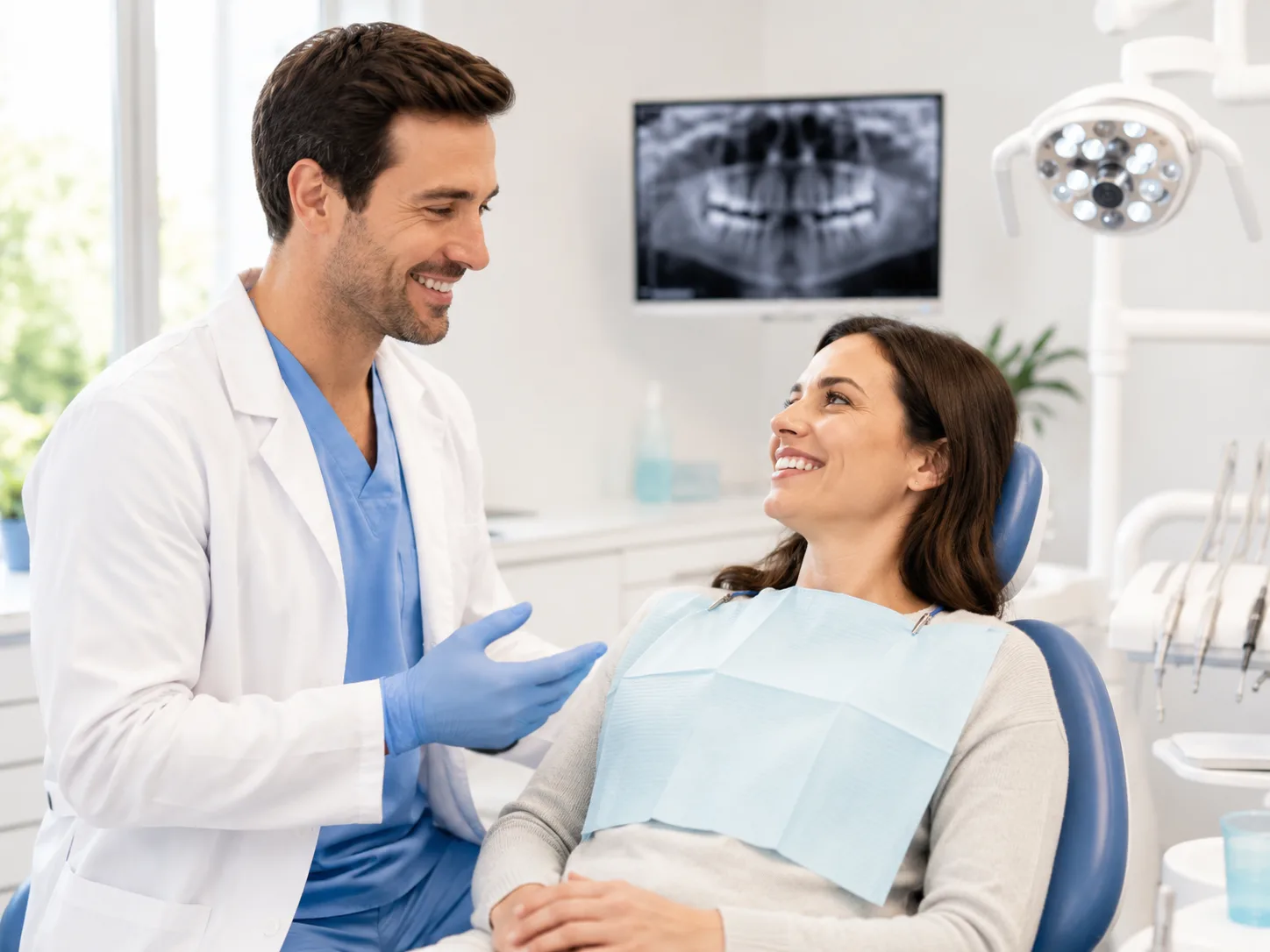
Missing teeth can affect much more than appearance. They may make favorite foods harder to enjoy, change the way certain words sound, and leave a person feeling hesitant to smile. Fortunately, modern dentures provide a practical way to replace missing teeth and regain everyday confidence.
Patients looking for dentures in Hollywood, FL, have several options. Today’s dentures can be customized for a more natural appearance, while implant-supported designs may provide additional stability for suitable candidates. Understanding the differences can make the decision feel much less overwhelming.
This article provides general dental information and is not a diagnosis or treatment recommendation. A dentist must examine the mouth, review health history, and evaluate available treatment options before recommending dentures or another form of tooth replacement.
What Are Dentures?
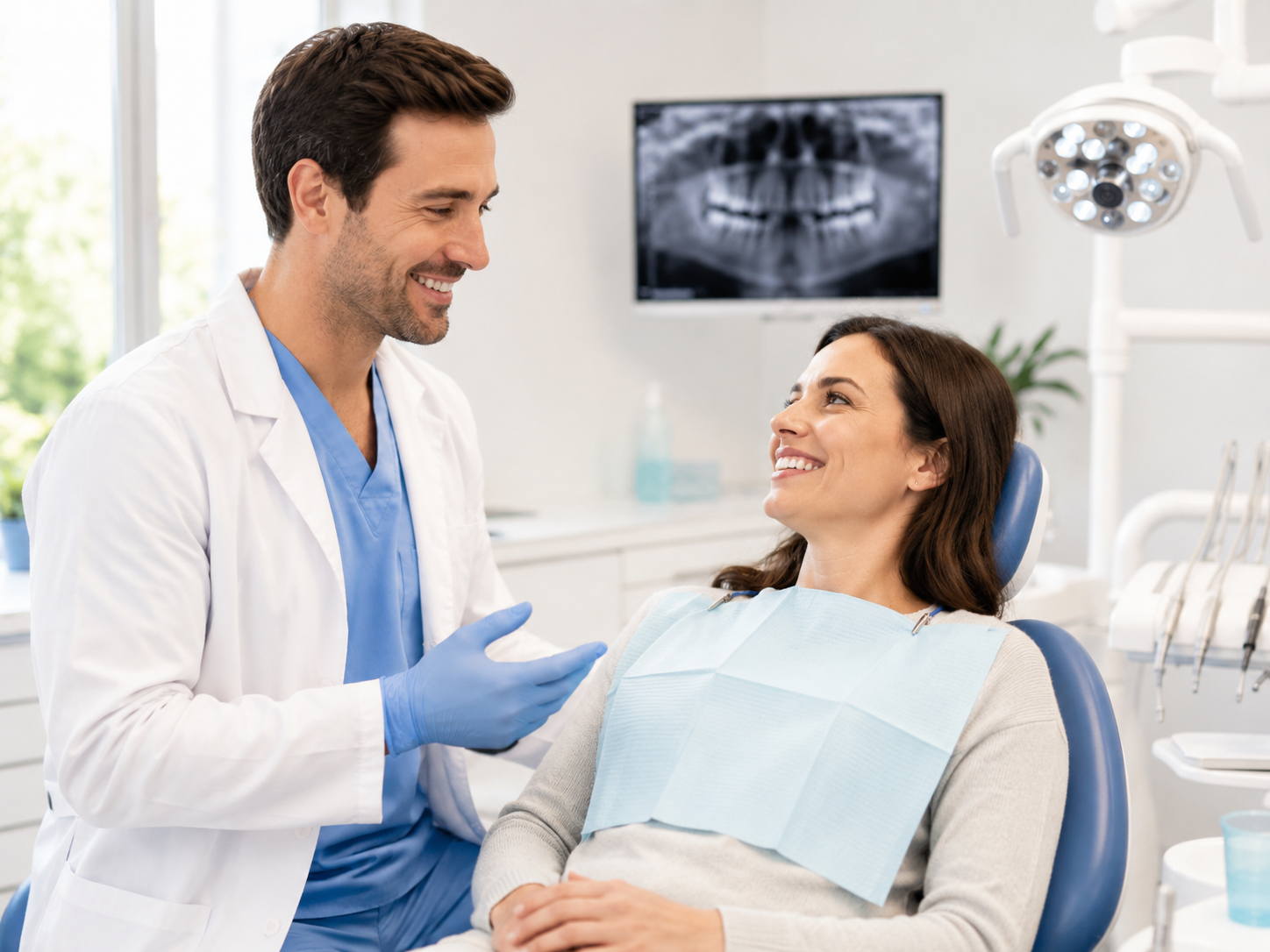
Dentures are removable dental appliances made to replace multiple missing teeth. Depending on a patient’s needs, a denture may replace every tooth in an upper or lower arch or fill several spaces while some healthy natural teeth remain.
Each appliance includes artificial teeth attached to a base designed to resemble natural gum tissue. The shape, shade, and fit can be customized to the individual’s mouth and facial features. Although dentures cannot feel exactly like natural teeth, a well-designed appliance can make chewing, speaking, and smiling more comfortable.
According to the Cleveland Clinic’s overview of dentures, common alternatives include dental bridges and dental implants. The right choice depends on oral health, the number and location of missing teeth, personal preferences, and budget.
Types of Dentures Available
There is no single denture that works for everyone. A dentist can explain which of the following designs may suit a patient’s mouth and goals.
Full Dentures
Full, or complete, dentures replace all teeth in the upper jaw, lower jaw, or both. They typically rest on the gums and underlying jaw ridge. The upper appliance may also receive support from the roof of the mouth.
Full dentures may be appropriate when no restorable natural teeth remain in an arch. If damaged teeth need to be removed first, the gums and jaw will change as they heal. Follow-up adjustments or a reline may therefore be needed to maintain a comfortable fit.
Partial Dentures
Partial dentures replace several missing teeth while preserving healthy teeth that remain. The replacement teeth are attached to a gum-colored base, and the appliance may use clasps or other attachments for support.
A partial denture can help fill visible gaps and improve chewing. It may also help maintain a more balanced bite by replacing teeth that previously worked together.
Immediate Dentures
An immediate denture is placed soon after selected teeth are removed, allowing the patient to avoid going without teeth during the initial healing period. Because the gums and jaw change after extractions, the appliance often requires adjustments as healing progresses. Depending on the case, it may serve as a temporary denture before a final appliance is made.
Implant-Retained and Implant-Supported Dentures
Dental implants are small posts placed in the jaw to support replacement teeth. A removable implant-retained denture can connect to implants for improved stability. Other full-arch designs may be fixed in place and removed only by a dental professional.
Implant treatment is not suitable for every patient. The dentist must assess bone support, gum health, medical history, healing considerations, and oral hygiene habits. Implant therapy also involves separate phases: initial recovery after a procedure, soft-tissue healing, integration of the implants with the supporting bone, and placement of the final restoration. The timing of each phase varies, so patients should rely on their clinician’s personalized plan rather than a universal timeline.
Who May Benefit From Dentures?
Dentures may be considered when a person has lost several or all teeth because of advanced decay, gum disease, injury, or other dental problems. They may also be discussed when remaining teeth have a poor long-term outlook and cannot predictably support another restoration.
A good candidate should be willing to clean the appliance, care for the gums and any remaining teeth, and attend routine dental visits. Patients with dry mouth, sensitive gums, significant bone loss, or certain health conditions may need modifications or additional care, but those concerns do not automatically rule out treatment.
The goal is not simply to replace teeth. A dentist also considers how the appliance will affect the bite, facial support, speech, comfort, and ability to maintain oral health.
What to Expect During the Denture Process
Consultation and Oral Examination
The process begins with a conversation about the patient’s concerns, health history, and goals. The dentist examines the teeth, gums, bite, and supporting tissues. Dental images or other records may be recommended when the findings could affect treatment planning.
If some teeth can be preserved, the dentist may discuss a partial denture or another option. If teeth need treatment or removal, that care becomes part of the overall plan.
Measurements and Smile Planning
Records of the mouth are used to plan the denture’s fit. The dentist also evaluates tooth size, shape, shade, and position. These details influence whether the finished smile looks balanced with the patient’s lips and face.
Depending on the denture type and workflow, a patient may have a preview or fitting appointment before the appliance is completed. This creates an opportunity to review appearance, bite, and speech.
Delivery and Adjustments
At delivery, the dental team checks the fit and shows the patient how to insert, remove, and clean the denture. Mild awareness or tenderness can occur while the mouth adjusts, but ongoing pain should not be accepted as normal.
Small pressure areas can often be corrected through professional adjustments. Patients should not file, bend, or reshape a denture at home because doing so can damage the appliance and make the fit worse.
Adjusting to New Dentures
Learning to use dentures takes patience. At first, the lips and tongue may feel crowded, speech may sound slightly different, and chewing may require more concentration. These experiences often become easier with practice, but every patient adapts differently.
Helpful habits include:
- Beginning with soft foods cut into small pieces
- Chewing slowly and using both sides of the mouth
- Avoiding very sticky or hard foods during the adjustment period
- Reading aloud to practice unfamiliar sounds
- Following the dentist’s instructions about wear and removal
- Scheduling an adjustment if a sore area develops
Denture adhesive may improve confidence in certain situations, but it should not be used to disguise a poor fit. A denture that repeatedly slips, pinches, or causes sores should be professionally evaluated.
How to Clean and Protect Dentures
Daily care helps control plaque, food debris, odors, and staining. It also protects the tissues beneath the appliance.
- Remove and rinse the denture after eating when practical.
- Brush it with a soft denture brush and a cleaner recommended by the dental team.
- Avoid abrasive toothpaste, which may scratch some denture materials.
- Clean the gums, tongue, and roof of the mouth gently.
- Brush and floss any remaining natural teeth carefully.
- Store removable dentures as directed so they do not dry out or warp.
- Keep up with dental examinations even when no natural teeth remain.
Routine visits allow a dentist to examine the oral tissues, check the bite, and look for changes in fit. Dentures are durable, but they do not last indefinitely. Natural changes in the gums and jaw may eventually make relining, repair, or replacement appropriate.
When Should a Denture Wearer Call the Dentist?
Occasional minor irritation can occur, especially with a new appliance, but persistent discomfort deserves attention. A dental appointment should be scheduled for:
- Recurring or worsening sore spots
- Red, swollen, bleeding, or burning tissues
- White patches or other unexplained changes inside the mouth
- A denture that has become loose or unstable
- Difficulty chewing that does not improve
- Cracks, chips, or broken denture teeth
- Persistent bad breath or an unpleasant taste
Denture-related inflammation can have several causes, including irritation, hygiene issues, or infection. The Cleveland Clinic advises seeking care for denture sores so a clinician can identify the cause and recommend appropriate treatment.
Dentures, Bridges, or Dental Implants?
Each tooth-replacement option offers different advantages. Traditional dentures are removable and can replace many teeth without requiring an implant for every missing tooth. A bridge is generally used to replace one or more teeth in a specific area and may rely on neighboring teeth or implants for support.
Dental implants can support a single crown, a bridge, or a larger full-arch restoration. They may offer greater stability, but they require a detailed clinical evaluation, a surgical procedure, sufficient support, and ongoing maintenance.
Rather than choosing based only on appearance or advertised convenience, patients should compare comfort, maintenance, health requirements, expected longevity, and total cost. A consultation can clarify which tradeoffs matter most for the individual.
How Much Do Dentures Cost in Hollywood, FL?
The cost of dentures varies because each treatment plan is different. Factors may include the type of appliance, materials, number of teeth being replaced, preparatory dental care, laboratory work, and whether implants are involved.
Dental insurance may contribute to treatment, but coverage, deductibles, waiting periods, and annual limits differ by plan. Before moving forward, patients can request a written estimate and ask what is included, such as follow-up adjustments, relines, extractions, or temporary appliances.
Price is important, but fit, treatment planning, material quality, and access to follow-up care also affect the long-term experience.
Frequently Asked Questions About Dentures
Will dentures look natural?
Modern dentures can be customized with tooth shades, shapes, and arrangements that complement the patient’s face. Results vary, but careful planning can create an appearance that is more natural than the overly uniform dentures many people remember.
Can a person eat normally with dentures?
Dentures can improve chewing, although they do not function exactly like natural teeth. Patients often begin with softer foods and gradually add more variety as comfort and control improve. Hard or sticky foods may remain challenging.
Should dentures be worn while sleeping?
Many patients are advised to remove removable dentures for part of each day so the supporting tissues can rest. Instructions can differ based on recent extractions, healing, and the appliance design, so the treating dentist’s directions should take priority.
What happens if dentures become loose?
A loose denture may need an adjustment, reline, repair, or replacement. Adhesive is not a long-term substitute for professional evaluation. Changes in the gums and jaw can occur even when a denture was originally well fitted.
Can existing dentures be stabilized with implants?
Sometimes, but not every existing denture can be converted. The dentist must evaluate its condition, available space, bite, bone support, and implant positions before deciding whether modification or a new restoration is appropriate.
Explore Denture Options in Hollywood, FL
Missing teeth do not have to define how someone eats, speaks, or smiles. Full dentures, partial dentures, and implant-supported solutions offer different paths toward restoring comfort and confidence.
Ascend Dental & Implant Center offers denture consultations in Hollywood, FL, with treatment options tailored to each patient’s oral health and goals. Anyone considering dentures—or struggling with an appliance that no longer feels comfortable—is encouraged to bring questions and schedule an evaluation. A thoughtful conversation is the best place to begin.