
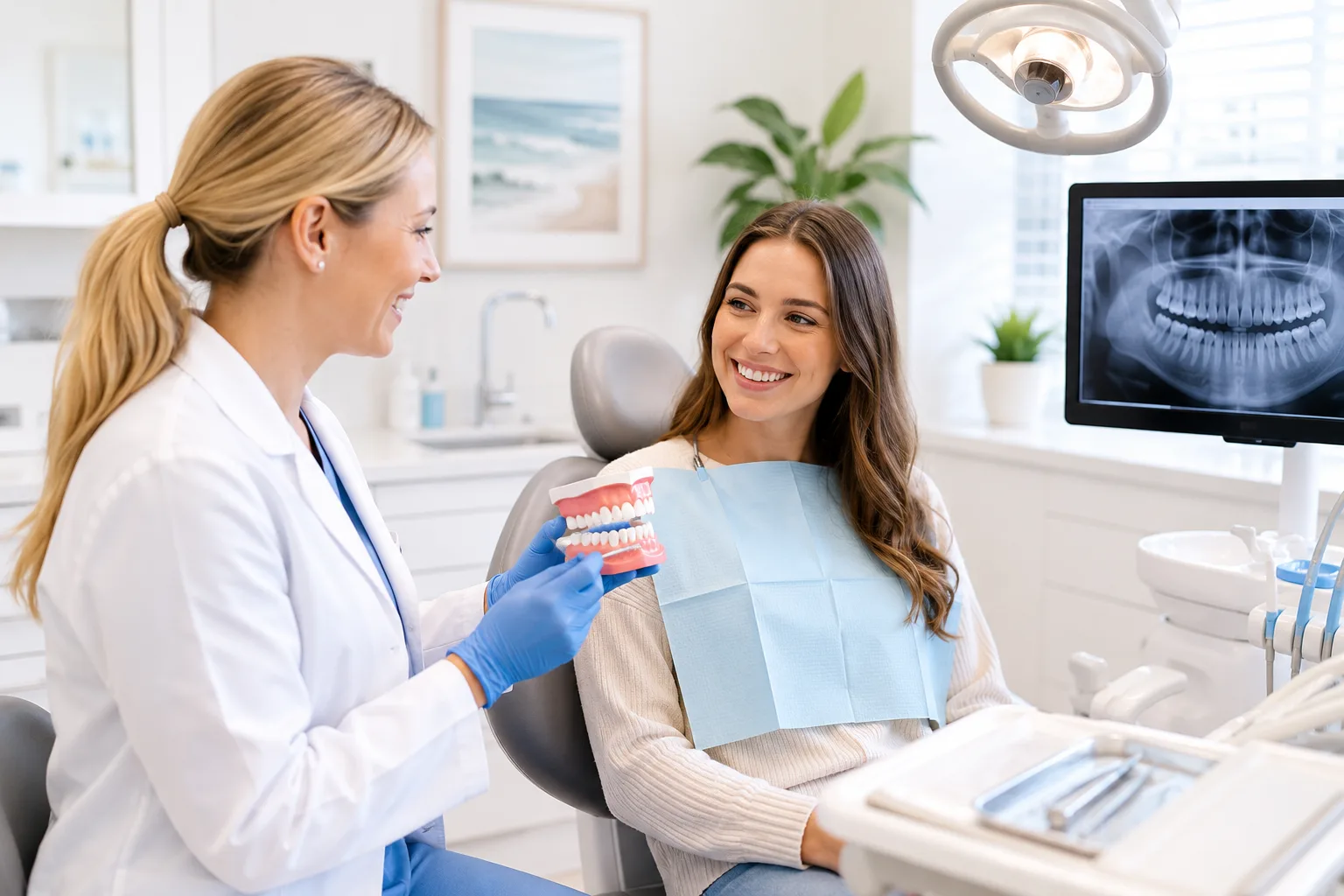
A straighter smile can make it easier to feel confident in photos, conversations, and everyday life. Yet many people hesitate to pursue orthodontic treatment because they do not want noticeable metal brackets or major changes to their routines.
Invisalign clear aligners offer a discreet alternative for many adults and teens. The removable trays fit closely over the teeth and gradually guide them toward planned positions. Although the system may appear simple, successful treatment still requires a personalized plan, professional supervision, and consistent wear.
For anyone researching Invisalign in Hollywood, FL, understanding the process can make the first consultation feel more comfortable. Here is what patients should know before deciding whether clear aligners fit their needs.
What Is Invisalign and How Does It Work?
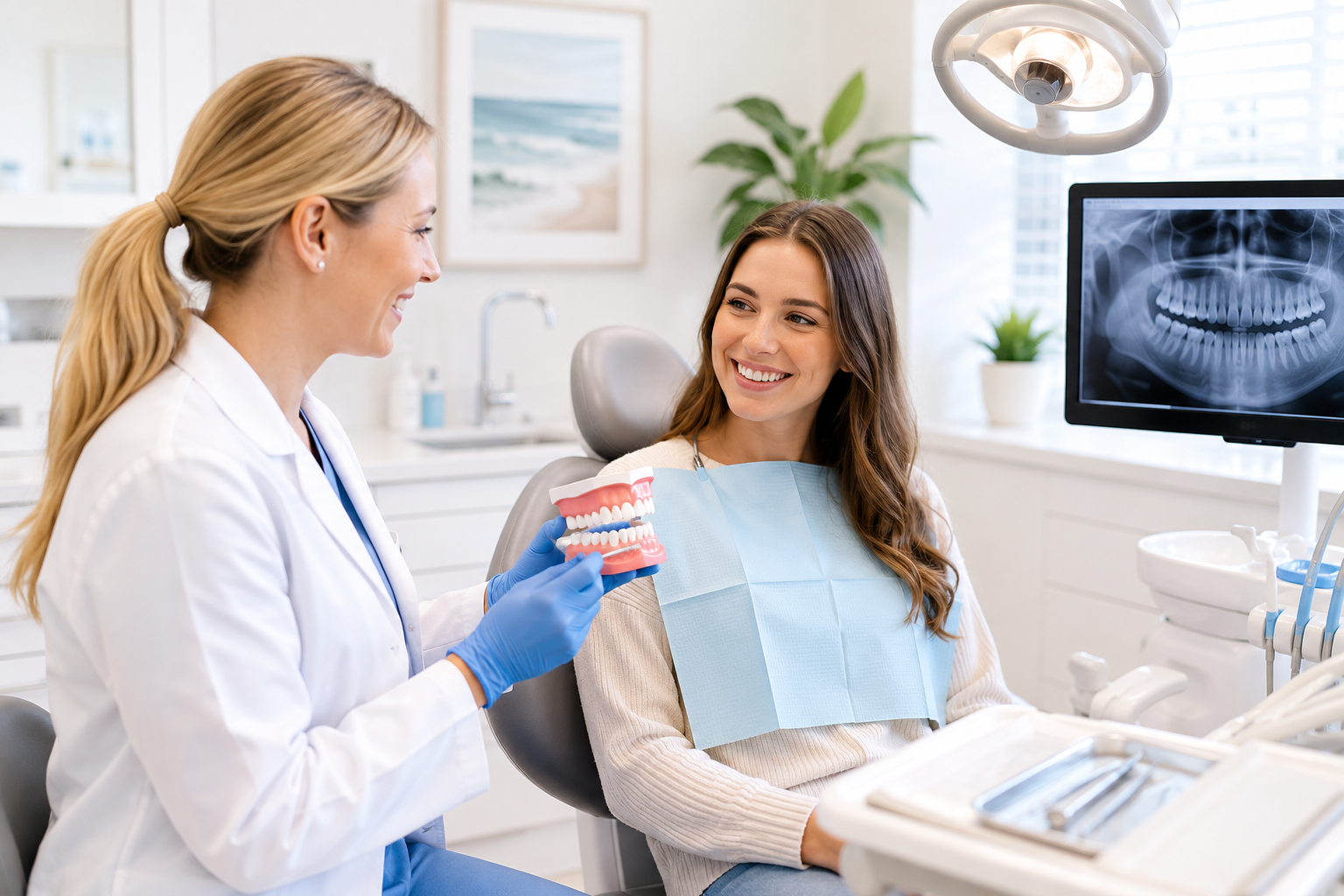
Invisalign is an orthodontic treatment that uses a planned sequence of clear, custom-made aligners. Each set applies controlled pressure to specific teeth. As treatment progresses, the patient changes to the next set according to the dentist’s instructions.
The aligners are made to fit closely around the teeth, making them less noticeable than traditional braces in many everyday situations. They are also removable, so patients can take them out for meals, oral hygiene, and certain special occasions. However, removability does not mean optional wear. The aligners generally need to remain in place for most of the day and night to keep treatment on track.
Some plans also use small tooth-colored attachments. These are bonded to selected teeth to help the aligners grip and direct movement more effectively. Their number and placement depend on the individual treatment plan.
What Types of Concerns Can Clear Aligners Address?
Clear aligners may help correct several common alignment and bite concerns, including:
- Crowded or overlapping teeth
- Gaps between teeth
- Teeth that have shifted after previous orthodontic treatment
- Certain overbite, underbite, crossbite, or open-bite patterns
- Mild to moderate alignment concerns affecting smile appearance
The presence of one of these concerns does not automatically confirm that Invisalign is the best choice. Tooth position, jaw relationships, gum health, dental restorations, and treatment goals all influence candidacy. More complex cases may benefit from traditional braces, another orthodontic approach, or a coordinated plan involving additional dental care.
Who May Be a Good Candidate for Invisalign?
A suitable candidate typically has a concern that clear aligners can address and is prepared to follow the wear schedule. Because the trays can be removed, daily consistency plays a major role. Patients who frequently forget or lose their aligners may find a fixed option easier to manage.
Oral health also matters. A dentist may recommend addressing active tooth decay, gum concerns, or other untreated dental needs before beginning orthodontic movement. Existing crowns, bridges, implants, or missing teeth do not always rule out aligner treatment, but they can affect how the plan is designed.
Age alone does not determine eligibility. Adults often appreciate the subtle appearance of clear aligners, while responsible teens may value being able to remove them for eating, brushing, and activities. The most reliable way to learn whether Invisalign is appropriate is through an in-person examination.
What to Expect During the Invisalign Process
1. Consultation and dental evaluation
The first visit focuses on the patient’s concerns, goals, dental history, and current oral health. The dentist examines the teeth and bite to determine whether clear aligners are a reasonable option. This is also the right time to discuss previous dental work, jaw discomfort, upcoming procedures, and lifestyle considerations.
2. Digital planning
If the patient moves forward, the dental team gathers detailed records. These may include digital scans, photographs, and appropriate dental images. The information helps create a customized treatment plan showing how the teeth are intended to move.
A digital preview can be helpful, but it should be viewed as a treatment simulation rather than a guaranteed result. Teeth do not always respond exactly as predicted, which is why monitoring appointments remain important.
3. Receiving and wearing the aligners
Once the trays are ready, the dentist checks their fit and explains how to insert, remove, clean, and store them. The patient then wears each set according to the prescribed schedule before advancing to the next one.
The aligners may feel snug when a new set is introduced. Mild pressure can be expected as the trays begin guiding the teeth, but persistent pain, a sharp edge, or an aligner that does not fit properly should be reported to the dental office.
4. Progress visits and possible refinements
Periodic visits allow the dentist to confirm that the aligners fit and the teeth are tracking as planned. If movement differs from the original plan, additional scans or refinement trays may be recommended. Refinements are a normal part of some cases and do not necessarily mean that treatment has failed.
5. Retention after active treatment
Finishing the last aligner is not the end of smile maintenance. Teeth can shift after orthodontic treatment, so a retainer is commonly recommended. The dentist will explain the type of retainer and how often it should be worn based on the patient’s needs.
Living With Invisalign Day to Day
Clear aligners are designed to fit into daily life, but a few habits can make treatment smoother.
- Remove the trays for meals. Unless the dentist gives different instructions, food should not be chewed while wearing the aligners.
- Ask about beverages. Water is generally the simplest choice while the trays are in place. Hot or strongly colored drinks may affect the aligners, so patients should follow their dentist’s guidance.
- Clean the teeth before reinserting trays. Brushing and flossing help keep food and plaque from sitting beneath the aligners.
- Clean aligners gently. Patients should use the recommended products and avoid very hot water, which may alter the tray’s shape.
- Use the storage case. Wrapping an aligner in a napkin makes it easy to throw away accidentally.
- Keep appointments. Professional monitoring helps identify fit or tracking concerns before they become larger interruptions.
Patients should also contact the office if an aligner is lost, cracked, or no longer fits. Moving forward or returning to an older tray without guidance may interfere with the planned sequence.
Invisalign vs. Traditional Braces
Neither option is universally better. The right choice depends on the clinical situation and the patient’s priorities.
Invisalign offers a less noticeable appearance, removable trays, and easier access for brushing and flossing. Traditional braces remain attached to the teeth, which removes the need to remember a wear schedule. Braces may also provide advantages for certain complex movements.
Patients should consider more than appearance. Treatment predictability, comfort preferences, daily habits, oral health, and the complexity of the bite all matter. A dentist can explain the advantages and limitations of each approach after evaluating the smile.
How Much Does Invisalign Cost in Hollywood, FL?
There is no single fee that applies to every patient. Invisalign cost may vary based on the complexity of the case, the expected amount of tooth movement, necessary records, the number of aligners or refinements, and what is included in the treatment package.
Dental insurance may provide orthodontic benefits, but coverage and limitations differ by plan. Patients should ask for a written estimate and clarify whether the quoted fee includes progress visits, refinement trays, retainers, and follow-up care. If financing is available, reviewing the payment terms can help prevent surprises.
A low advertised price should not be the only deciding factor. Professional oversight, clear communication, and an appropriately designed plan are important parts of safe, patient-focused care.
Questions to Ask at an Invisalign Consultation
Arriving with questions can help patients compare options and feel more confident about their decision. Useful questions include:
- Is Invisalign appropriate for this specific bite and alignment concern?
- Will attachments or other procedures be needed?
- How will progress be monitored?
- What happens if the teeth do not track as planned?
- What is included in the treatment estimate?
- What retainer will be needed afterward?
- Who should the patient contact if a tray is lost or damaged?
The consultation should feel informative rather than rushed. Patients deserve a clear explanation of their options, responsibilities, expected course of care, and possible limitations.
Frequently Asked Questions About Invisalign
Is Invisalign painful?
Patients may notice pressure or temporary tenderness when they begin a new set of aligners. Experiences vary. Significant or ongoing pain should be discussed with the treating dentist rather than ignored.
Can a patient eat while wearing Invisalign?
Aligners are generally removed for meals. This helps protect the trays and allows the patient to eat normally. The dentist may provide specific instructions about drinks, snacks, and cleaning before reinsertion.
Will Invisalign affect speech?
Some people notice a temporary change in speech while adjusting to the trays. Practicing normal conversation may help. If a speech change continues or the aligners feel poorly fitted, the dental office should evaluate them.
How long does Invisalign treatment take?
The timeline depends on the starting alignment, bite complexity, treatment goals, and how consistently the aligners are worn. A personalized estimate can be provided only after an examination and treatment planning.
Can Invisalign fix teeth that moved after braces?
Clear aligners may be an option for some cases of orthodontic relapse. The dentist will assess the amount of movement, the bite, oral health, and whether a new retainer or active treatment is needed.
Does Invisalign require a retainer?
A retainer is commonly recommended after active orthodontic treatment to help maintain the new tooth positions. Retainer type and wear instructions vary, so patients should follow their dentist’s individualized plan.
Explore Invisalign in Hollywood, FL
Clear aligners can provide a comfortable, discreet path toward a straighter smile for appropriate candidates. The best results begin with a careful evaluation and a plan tailored to the person—not a one-size-fits-all package.
Ascend Dental + Implant Center offers Invisalign consultations in Hollywood, FL. The practice is located at 2001 Hollywood Blvd Space 10, Hollywood, FL 33020. Patients who are curious about their options are encouraged to bring their questions and schedule a consultation to learn whether clear aligners may fit their smile goals.
This article is for general educational purposes and does not diagnose dental conditions or replace an examination by a qualified dentist. Treatment recommendations, risks, costs, and timelines vary by patient.