
Wisdom teeth have a reputation for causing trouble, but they do not always need to be removed. Some come in normally and remain healthy, while others become trapped, grow at an angle, or create areas that are difficult to keep clean.
If you are experiencing discomfort near the back of your mouth or searching for help with wisdom teeth in Hollywood, FL, a dental examination can provide clarity. Modern imaging allows a dentist to see how these third molars are positioned and whether they are affecting nearby teeth, gums, or bone.
Clinical note: This article provides general education and cannot diagnose a dental condition. Anyone with wisdom tooth pain, swelling, or other concerning symptoms should consult a dentist or oral surgeon for personalized advice.
What Are Wisdom Teeth?
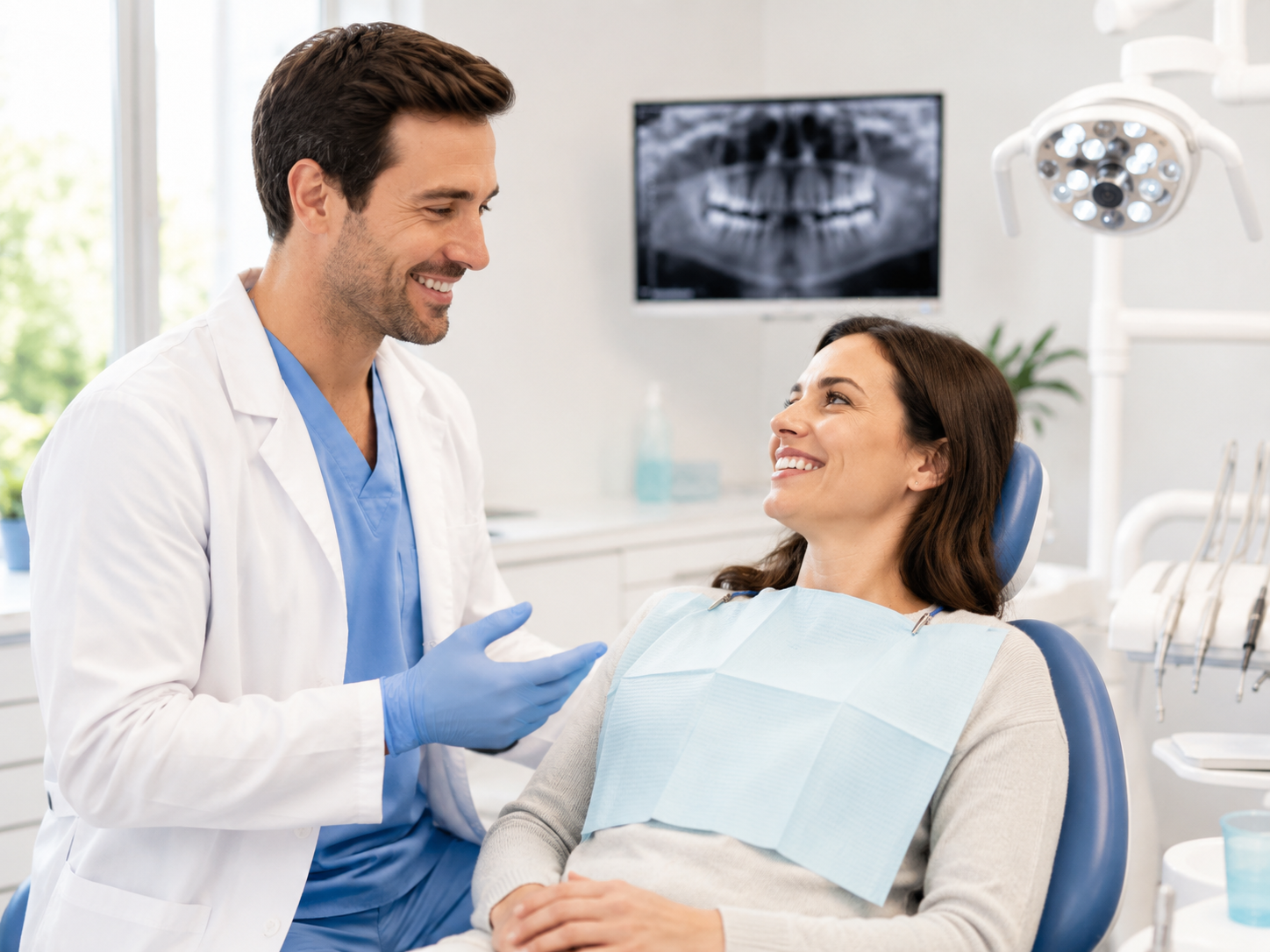
Wisdom teeth are the third molars located at the very back of the mouth. They are usually the last permanent teeth to develop. Because the modern jaw may not have enough room for them, wisdom teeth can sometimes emerge only partially or remain beneath the gum or jawbone.
A wisdom tooth that cannot erupt into a functional position is described as impacted. Impaction can occur at different angles and depths. A tooth may be covered by gum tissue, partly surrounded by bone, or positioned against the molar in front of it.
Not every impacted tooth causes immediate symptoms. That is one reason routine dental examinations and X-rays can be useful: they may reveal developing concerns before discomfort becomes severe.
Common Signs That a Wisdom Tooth Needs Attention
Wisdom tooth symptoms can resemble other dental problems, including cavities, gum inflammation, jaw joint discomfort, or an infection involving another tooth. A dentist needs to identify the source rather than relying on symptoms alone.
Possible warning signs include:
- Pain or pressure behind the back molars
- Tender, red, or swollen gum tissue
- Difficulty opening the mouth comfortably
- An unpleasant taste or persistent bad breath
- Food repeatedly becoming trapped behind a molar
- Swelling around the jaw or cheek
- Discomfort when chewing
- Pain that spreads toward the ear, temple, or throat
A partially erupted wisdom tooth can leave a flap of gum where plaque and food collect. Because that area is difficult to brush and floss, the surrounding tissue may become irritated or infected. Prompt evaluation can help prevent a manageable concern from becoming a dental emergency.
When Wisdom Tooth Symptoms May Be Urgent
Severe or rapidly increasing swelling, uncontrolled bleeding, fever, difficulty swallowing, or difficulty breathing requires prompt professional attention. Ascend Dental & Implant Center provides emergency dental care in Hollywood, FL for urgent problems such as severe toothaches and dental trauma. Breathing or swallowing difficulty may require immediate emergency medical care.
Do All Wisdom Teeth Need to Be Removed?
No. A wisdom tooth may be monitored when it has erupted in a healthy position, can be cleaned effectively, does not damage neighboring structures, and shows no evidence of disease.
Removal may be discussed when a wisdom tooth is associated with recurring inflammation, infection, decay, gum disease, damage to an adjacent molar, or another clinically significant concern. The recommendation should be based on an examination, dental images, symptoms, oral health, and the risks and benefits for the individual patient.
Age alone does not determine whether extraction is necessary. Teenagers and young adults frequently receive wisdom tooth evaluations, but adults of any age can develop a problem. A patient who has had symptom-free wisdom teeth for years may still benefit from periodic monitoring.
What Happens During a Wisdom Tooth Evaluation?
The visit generally begins with a review of symptoms and medical history. Patients should tell the dental team about medications, allergies, past reactions to anesthesia, pregnancy, and health conditions that could affect treatment or healing.
The dentist then examines the gums and back teeth. Dental X-rays may be taken to assess:
- Whether each wisdom tooth has erupted
- The tooth’s angle and depth
- Its relationship to nearby molars
- The surrounding bone and other important anatomy
- Signs of decay, infection, or damage
After reviewing these findings, the dentist can explain whether monitoring, treatment, extraction, or evaluation by an oral surgeon is appropriate. This is also the right time to ask about comfort options, preparation, recovery, fees, and insurance coverage.
What to Expect During Wisdom Tooth Removal
The details depend on whether the tooth is fully erupted or impacted. A visible tooth that is readily accessible may be removed through a relatively straightforward extraction. An impacted tooth may require a small opening in the gum, removal of a limited amount of surrounding bone, or division of the tooth into smaller sections.
Local anesthetic is used to numb the treatment area. Additional sedation options may be considered based on the procedure, the patient’s health, anxiety level, and the clinician’s recommendations. Sedation is not identical to local anesthesia: numbing controls sensation at the surgical site, while sedation is intended to help a patient feel more relaxed or less aware of the procedure.
Before treatment, patients should receive specific instructions about eating, drinking, medications, transportation, and aftercare. Anyone receiving a form of sedation that affects alertness will generally need a responsible adult to provide transportation and follow the clinician’s discharge instructions.
Wisdom Tooth Recovery: What Healing Really Looks Like
Recovery happens in stages. The way a patient feels during the first few days is not the same as complete tissue and bone healing.
Early Symptom Recovery
Mild bleeding, swelling, soreness, and jaw stiffness can occur after removal. According to the Cleveland Clinic’s wisdom tooth removal guidance, many people rest at home for three to five days before returning to work, school, or usual routines. Physically demanding work may require additional time.
Recovery varies according to the number and position of the teeth removed, the complexity of surgery, general health, and how closely aftercare directions are followed. The treating clinician’s instructions should take priority over a general timeline.
Soft-Tissue and Bone Healing
The gum opening continues to close after early soreness and swelling improve. Deeper bone remodeling takes longer than the initial symptom-recovery period. Feeling ready to resume routine activities does not mean that healing underneath the gum is complete.
Wisdom tooth removal usually does not involve osseointegration, a term used when a dental implant bonds with the jawbone. It also generally does not require a final crown or restoration because the extracted third molar is not routinely replaced. The treatment is considered complete after appropriate healing and any recommended follow-up care.
Practical Aftercare Tips
Patients should follow their own clinician’s directions, which may include:
- Resting and avoiding strenuous activity during early recovery
- Using prescribed or recommended medication exactly as directed
- Choosing soft foods that do not require vigorous chewing
- Drinking fluids without using a straw until the clinician says it is safe
- Avoiding smoking and vaping because they can interfere with healing
- Keeping the mouth clean without disturbing the extraction sites
- Attending any recommended follow-up appointment
A protective blood clot forms in the socket after extraction. Disturbing it may contribute to a painful condition commonly called dry socket. Patients should avoid poking the area and should use only the rinsing method recommended by their dental professional.
When to Contact the Dentist During Recovery
Some discomfort is expected, but symptoms should generally move in the right direction. The Cleveland Clinic advises contacting the treating dentist or oral surgeon for excessive bleeding, severe pain that does not improve with medication, pus, difficulty breathing or swallowing, or swelling that worsens after three days. Its guidance also lists a fever above 102 degrees Fahrenheit as a reason to call.
Patients should not wait for a scheduled follow-up if something feels seriously wrong. Prompt communication allows the dental team to determine whether an examination or additional care is needed.
How Much Does Wisdom Tooth Removal Cost in Hollywood, FL?
There is no single fee that applies to every patient. Cost can depend on the number of teeth being treated, whether they are erupted or impacted, the complexity of removal, imaging needs, the type of anesthesia or sedation, and insurance benefits.
Before scheduling treatment, patients can request a written estimate that separates the examination, imaging, extraction, sedation, and follow-up charges. They may also ask the practice to review available insurance benefits. An estimate is helpful, but the final amount can change if the clinical situation differs from what preliminary images suggested.
Frequently Asked Questions About Wisdom Teeth
Can a wisdom tooth cause pain that comes and goes?
Yes. Gum irritation around a partially erupted tooth may flare up and then temporarily settle. Intermittent pain should still be evaluated because the underlying positioning or hygiene challenge may remain.
Can wisdom teeth cause crowding?
Teeth can shift for several reasons, and front-tooth crowding cannot automatically be blamed on wisdom teeth. A dentist or orthodontic professional can assess alignment and determine whether a third molar is affecting a neighboring tooth.
What can someone eat after removal?
Soft, easy-to-chew foods are commonly more comfortable during early recovery. Patients should avoid foods that are very hard, crunchy, sticky, or likely to lodge in the extraction site until their clinician advises otherwise.
Can all four wisdom teeth be removed together?
Sometimes, but the best approach depends on tooth position, health history, anticipated complexity, and patient preference. The dentist or oral surgeon can explain the advantages and considerations of treating multiple teeth during one visit.
Is it safe to drive home after wisdom tooth removal?
That depends on the anesthesia used. A patient who receives sedation that impairs alertness should not drive and will need transportation arranged in advance. The treatment team will provide specific safety instructions.
Should a painless impacted wisdom tooth be ignored?
No. Painless does not always mean problem-free. An impacted tooth may simply need monitoring, but only an examination and appropriate imaging can determine whether it is healthy and stable.
Schedule a Wisdom Tooth Evaluation in Hollywood, FL
Wisdom tooth concerns are easier to manage when patients understand what is happening and have a clear plan. Ascend Dental & Implant Center offers comprehensive dental services in Hollywood, FL with an emphasis on gentle care.
If you have pain near a back molar, swollen gums, or questions about an impacted tooth, contact Ascend Dental & Implant Center to request an evaluation. The dental team can examine the area, review appropriate images, and discuss the next step based on your individual needs.