

If you are looking for a dental cleaning in Hollywood, FL, knowing what to expect can make the visit feel more comfortable. A routine appointment generally includes an evaluation, removal of plaque and tartar, polishing, and personalized guidance for caring for your smile between visits.
At Ascend Dental & Implant Center, cleanings and exams are provided with attention to each patient’s oral health needs and comfort. Here is a closer look at why these visits matter and what typically happens in the dental chair.
This article provides general educational information and is not a substitute for an examination or personalized advice from a dentist or dental hygienist.
Why Professional Dental Cleanings Are Important
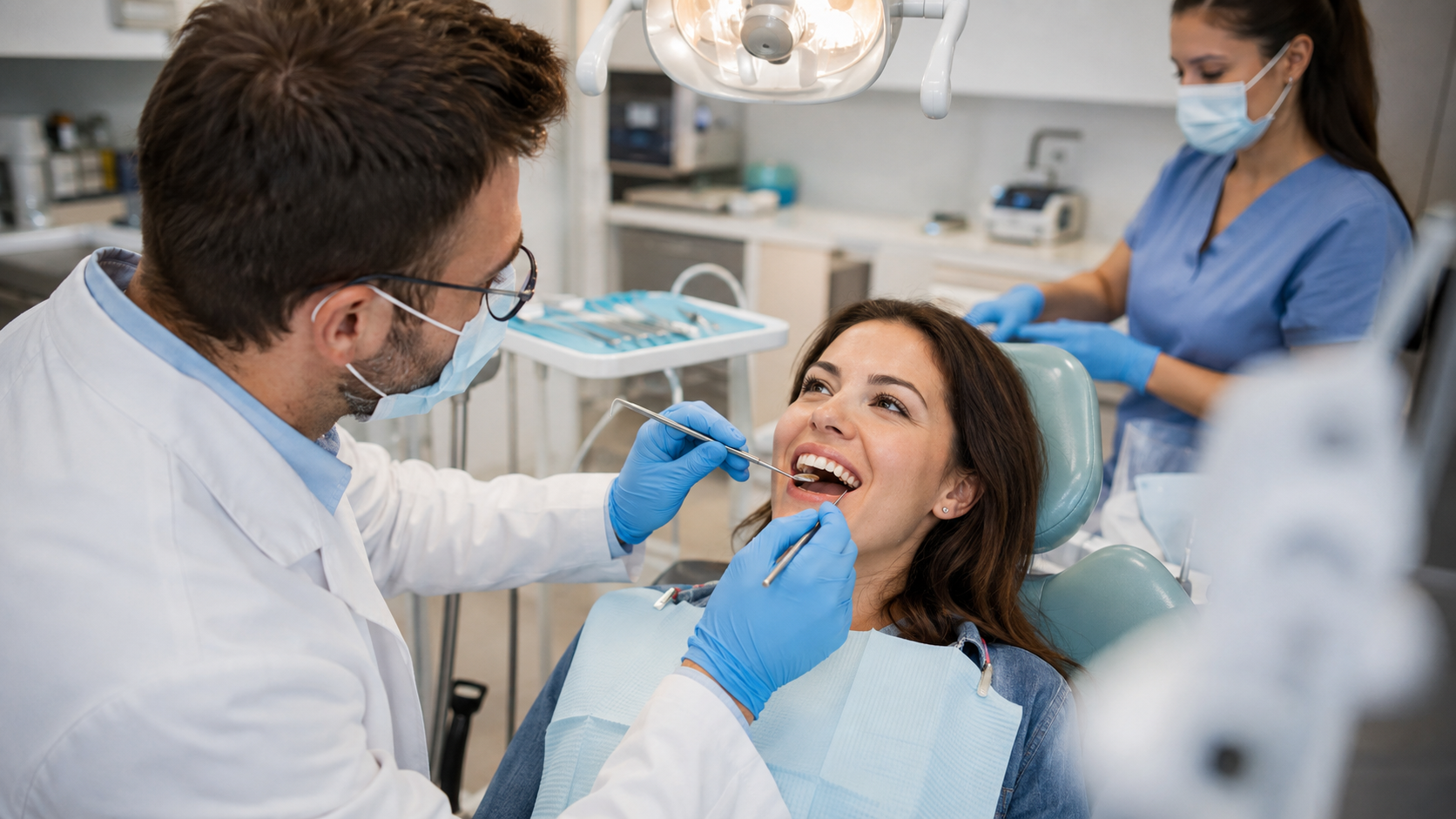
Daily brushing and flossing are the foundation of preventive dental care. However, plaque can remain around the gumline, between crowded teeth, behind the lower front teeth, and near dental restorations. Over time, plaque can harden into tartar, also called calculus.
Unlike soft plaque, tartar cannot usually be removed with a toothbrush or floss. A dental professional uses specialized instruments to remove it without unnecessarily damaging the teeth or gums.
Cleaning appointments also give the dental team an opportunity to look for changes that may not be obvious at home. A small area of bleeding, a rough filling, increased gum-pocket depth, or an early cavity may cause few noticeable symptoms. Finding a concern earlier often gives the dentist more options for managing it.
Fresh breath and smoother-feeling teeth are welcome benefits, but a cleaning is about more than appearance. It is part of an ongoing preventive plan designed around the condition of the patient’s teeth, gums, restorations, and overall oral health.
What Happens During a Routine Dental Cleaning?
The details may vary depending on whether someone is a new or established patient, as well as their current oral health. In most cases, the visit follows several comfortable, straightforward steps.
1. Review of Health and Dental History
The team may ask about medications, health conditions, pregnancy, allergies, recent dental symptoms, or changes since the previous visit. These details matter because general health and oral health can influence one another. Patients should mention sensitivity, bleeding gums, dry mouth, jaw discomfort, or any tooth that feels different.
2. Examination of the Teeth and Gums
A dental professional checks the mouth for visible concerns. The gumline may be evaluated for inflammation, recession, bleeding, and changes in the spaces between the teeth and gums. The dentist may also examine existing crowns, fillings, bridges, dentures, or implants.
Dental X-rays may be recommended when clinically appropriate. They are not necessarily needed at every cleaning; the decision depends on factors such as age, dental history, symptoms, and risk of oral disease.
3. Plaque and Tartar Removal
The hygienist or dentist gently removes plaque and hardened tartar from the tooth surfaces and around the gumline. Hand instruments, ultrasonic equipment, or a combination of both may be used. Ultrasonic instruments use controlled vibration and water to loosen deposits.
Patients may hear scraping sounds or feel pressure, but a routine cleaning should not feel sharply painful. Anyone who feels uncomfortable should let the dental team know. The clinician can pause, adjust the technique, or discuss ways to reduce sensitivity.
4. Polishing and Flossing
After buildup has been removed, the teeth are commonly polished to lift away some surface stains and leave the enamel feeling smooth. Professional flossing helps clean between the teeth and may reveal areas where gums bleed or where daily flossing could improve.
5. Personalized Home-Care Guidance
The appointment may end with practical recommendations. These could include a different brushing angle, an interdental brush for a larger space, floss threaders around a bridge, or special techniques for cleaning near an implant. Advice should reflect the individual patient rather than follow a one-size-fits-all approach.
Routine Cleaning vs. Deep Cleaning
A routine cleaning and a deep cleaning are not interchangeable. A routine cleaning mainly removes plaque, tartar, and stains from the visible tooth surfaces and around the gumline. It is commonly part of preventive care for a patient whose gums are generally stable.
A deep cleaning, also known as scaling and root planing, may be recommended when an examination shows signs of gum disease and deposits extend farther below the gumline. It involves cleaning the tooth roots more thoroughly and may be completed in sections.
Needing a deep cleaning does not mean a patient has failed at home care. Genetics, tobacco use, certain health conditions, medications, previous gaps in dental care, and other factors can affect gum health. The dentist should explain the examination findings, recommended treatment, comfort options, and follow-up plan before proceeding.
How Often Should Teeth Be Professionally Cleaned?
Many people are familiar with twice-yearly dental visits, but the right schedule is personal. A dentist may suggest more frequent care for someone with active gum concerns, heavy tartar buildup, orthodontic appliances, multiple restorations, dry mouth, or certain health risks. A person with stable oral health may follow a different schedule.
The best interval is based on clinical findings rather than the calendar alone. After an examination and cleaning, the dental team can recommend a recall plan that fits the patient’s needs.
Patients should not wait for the next scheduled appointment if they develop persistent tooth pain, swelling, a broken tooth, unexplained bleeding, or another urgent concern. Those symptoms deserve prompt professional attention.
Making a Dental Cleaning More Comfortable
Dental anxiety and tooth sensitivity are common, and neither should feel embarrassing. A supportive dental team will want to know what makes a patient nervous or uncomfortable.
Before the cleaning begins, patients can share whether they have sensitive teeth, a strong gag reflex, jaw stiffness, difficulty reclining, or a previous negative experience. Agreeing on a hand signal makes it easy to request a pause. Short breaks, careful instrument selection, and clear explanations can also make the appointment feel more manageable.
For a more comfortable visit, patients may also consider these simple steps:
- Eat a light meal beforehand unless the dental office gives different instructions.
- Bring an updated medication list and relevant health information.
- Avoid brushing aggressively just before the appointment.
- Tell the clinician exactly where sensitivity occurs.
- Ask questions whenever an instrument or recommendation is unfamiliar.
After a routine cleaning, teeth may feel smoother, while the gums or sensitive areas may feel mildly tender for a short period. Persistent pain, worsening swelling, or unexpected symptoms should be reported to the dental office.
How to Maintain a Cleaner Smile Between Visits
Professional care works best when paired with consistent habits at home. Most patients benefit from brushing thoroughly with fluoride toothpaste and cleaning between their teeth each day. The right interdental tool may be floss, a small interdental brush, or another product recommended by the dental team.
Avoid rushing the gumline. Gentle, controlled brushing is usually more useful than heavy pressure, which can irritate the gums and wear toothbrush bristles quickly. Patients should also clean around crowns, bridges, implants, retainers, and removable appliances according to professional instructions.
Frequent sipping or snacking on sugary foods and drinks repeatedly exposes teeth to conditions that can contribute to decay. Water is a tooth-friendly everyday beverage, especially in South Florida’s warm climate. Tobacco and nicotine use should also be discussed honestly with a clinician so the dental team can provide appropriate support without judgment.
Choosing a Dentist for a Cleaning in Hollywood, FL
Convenience matters, but patients should also look for a dental office where questions are welcomed and recommendations are clearly explained. A quality preventive visit should feel thorough rather than rushed.
Helpful questions to ask include:
- Will the appointment include both a cleaning and an exam?
- Are X-rays needed, and why?
- Is the recommended service a routine cleaning or periodontal treatment?
- What costs may apply after insurance benefits?
- How can sensitivity or dental anxiety be accommodated?
Costs can vary based on the type of cleaning, examination needs, X-rays, insurance coverage, and whether gum treatment is necessary. Patients can request an estimate before care begins and ask the office to explain what is included.
Frequently Asked Questions About Dental Cleanings
Does a dental cleaning hurt?
A routine cleaning is usually well tolerated, although some people notice pressure or temporary sensitivity. Inflamed gums, exposed roots, heavy tartar, and sensitive teeth can make certain areas more tender. Patients should speak up so the clinician can adjust the approach.
Can a cleaning whiten the teeth?
Polishing may remove some external stains caused by foods, beverages, or tobacco, so the teeth may look brighter afterward. It does not change the natural color of enamel in the same way as professional whitening treatment.
Why do gums bleed during a cleaning?
Bleeding can occur when gum tissue is irritated or inflamed, but it has several possible explanations. A dental professional can evaluate the pattern of bleeding and recommend appropriate home care or treatment. Ongoing bleeding should not simply be ignored.
Is it safe to have a cleaning with dental implants, crowns, or bridges?
Professional maintenance is important around restorations and implants. The dental team can choose suitable instruments and demonstrate how to clean hard-to-reach areas at home. Patients should tell the office about all dental work, especially if it was completed elsewhere.
Can someone eat after a dental cleaning?
Many patients can eat normally after a routine cleaning. If fluoride, local anesthetic, or another product is used, the dental team may give specific instructions. Waiting until numbness wears off can help prevent accidentally biting the cheek or tongue.
What if it has been years since the last cleaning?
There is no need to feel ashamed. The first step is an examination to understand the current condition of the teeth and gums. The dental team can then explain whether a routine cleaning, deep cleaning, or another type of care is appropriate.
Schedule Preventive Dental Care in Hollywood, FL
A dental cleaning is an opportunity to remove stubborn buildup, check for changes, and receive advice that fits your smile. Regular preventive visits can also help dental care feel more familiar and less stressful over time.
Ascend Dental & Implant Center provides dental cleanings and exams in Hollywood, FL. If you are due for a visit, have concerns about sensitive teeth or gums, or are unsure which type of cleaning you need, contact the practice to ask questions and arrange a consultation.