
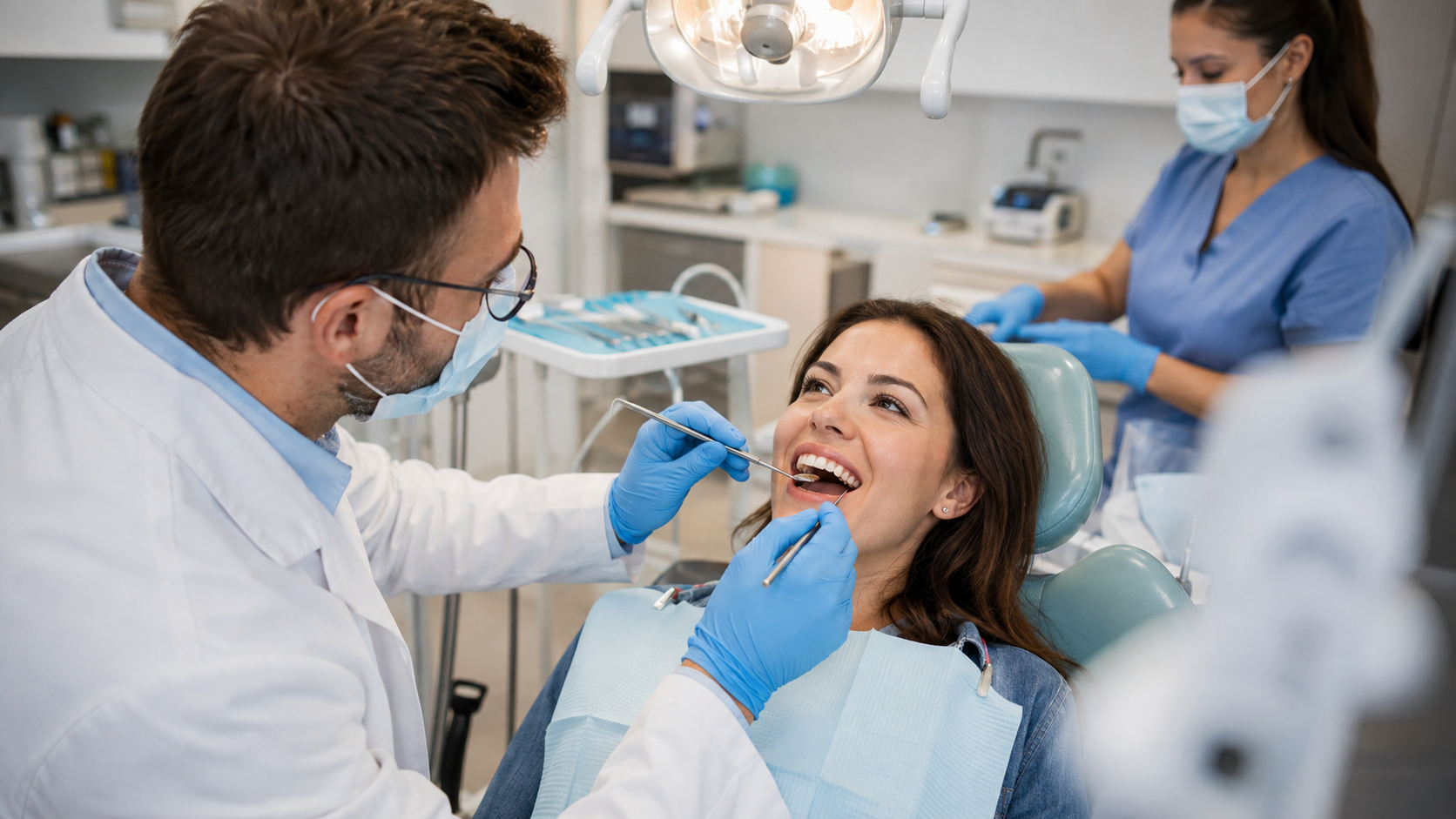
A confident smile can make everyday moments feel easier, from laughing with friends to speaking up at work or taking photos with family. For many people, small concerns like stained teeth, chips, gaps, uneven edges, or missing teeth can affect how comfortable they feel when they smile. That is where cosmetic dentistry can help.
Cosmetic dentistry focuses on improving the appearance of the teeth and gums while also considering comfort, function, and long-term oral health. For patients searching for cosmetic dentistry Hollywood FL, the good news is that modern dental care offers a wide range of options, from simple whitening to more complete smile transformations.
This guide explains common cosmetic dental treatments, how they work, who may benefit, and what patients can expect when exploring their options with a dental professional.
This article is for general education only and is not a diagnosis or treatment recommendation. Anyone considering cosmetic dental treatment should schedule an exam with a qualified dental clinician to discuss their oral health, risks, costs, and best options.
What Is Cosmetic Dentistry?
Cosmetic dentistry is the area of dental care that improves the look of the smile. It may address tooth color, shape, size, alignment, spacing, symmetry, or missing teeth. While the goal is often aesthetic, many cosmetic treatments can also support better chewing, speech, and oral health when planned carefully.
For example, replacing a missing tooth with a dental implant-supported restoration may improve appearance, but it can also help restore chewing function. A crown may make a damaged tooth look natural again while also protecting it from further breakdown. Even smoothing a small chip can help prevent rough edges from irritating the tongue or lips.
The best cosmetic dentistry plans are personalized. A dentist looks at the full picture, including the condition of the teeth, gums, bite, jawbone, facial features, and the patient’s goals. A smile that looks beautiful should also feel comfortable and function well.
Common Reasons Patients Consider Cosmetic Dentistry
Patients explore cosmetic dentistry for many different reasons. Some want a brighter smile before a wedding, job interview, reunion, or special event. Others have lived with smile concerns for years and are ready to make a lasting change.
Common cosmetic concerns include:
- Yellow, stained, or dull-looking teeth
- Chipped, cracked, or worn teeth
- Small gaps between teeth
- Uneven tooth edges or tooth shape
- Teeth that look too short, narrow, or misshapen
- Old dental work that no longer matches the smile
- Missing teeth
- A smile that looks uneven or unbalanced
Not every concern requires a major procedure. Sometimes a simple treatment, such as whitening or bonding, can create a noticeable improvement. Other cases may require a combination of treatments to achieve the desired result.
Popular Cosmetic Dentistry Options in Hollywood, FL
Modern cosmetic dentistry offers flexible treatment choices for different goals, timelines, and budgets. During a consultation, a dental team can explain which options may be appropriate based on a patient’s oral health and smile goals.
Professional Teeth Whitening
Teeth whitening is one of the most common cosmetic dental treatments. It can help lighten stains caused by coffee, tea, wine, tobacco, aging, and certain foods. Professional whitening is typically stronger and more customized than over-the-counter products.
Patients often choose whitening when their teeth are healthy but appear dull or discolored. However, whitening does not work on every type of discoloration. It also does not change the color of crowns, veneers, fillings, or bonding. That is why a dental exam is helpful before starting treatment.
Dental Bonding
Dental bonding uses tooth-colored composite resin to repair small cosmetic imperfections. A dentist can shape and polish the material so it blends with nearby teeth. Bonding may be used for minor chips, small gaps, uneven edges, or areas of discoloration.
Bonding is usually a conservative option because it often requires little to no removal of natural tooth structure. It can be a practical choice for patients who want a subtle improvement without a more involved procedure. The material may need maintenance over time, especially for patients who bite their nails, chew ice, or grind their teeth.
Porcelain Veneers
Veneers are thin, custom-made shells that attach to the front surface of the teeth. They can improve the appearance of teeth that are stained, chipped, uneven, worn, slightly misaligned, or irregularly shaped. Veneers are often used on the teeth that show most when a person smiles.
Porcelain veneers are known for their natural-looking translucency and stain resistance. They are designed to match the shape, color, and proportions that suit the patient’s face and smile. In many cases, a small amount of enamel must be adjusted, so veneers are typically considered a long-term commitment.
Dental Crowns
A dental crown covers the visible portion of a tooth. Crowns can improve the appearance of a tooth while also strengthening it. They may be recommended for teeth that are cracked, heavily worn, weakened by large fillings, treated with root canal therapy, or significantly misshapen.
Today’s crowns can be designed to look very natural. Ceramic and porcelain materials can match surrounding teeth closely, making crowns useful in both cosmetic and restorative dentistry.
Dental Implants and Implant-Supported Restorations
Missing teeth can affect both confidence and function. Dental implants are small posts placed in the jawbone to support replacement teeth such as crowns, bridges, or dentures. Once restored, implants are designed to look and function like natural teeth.
Implant dentistry may be an option for patients missing one tooth, several teeth, or a full arch of teeth. Because implant treatment depends on gum health, bone support, medical history, and other factors, a detailed evaluation is important before treatment planning.
Clear Aligners and Orthodontic Options
Some cosmetic concerns come from tooth position rather than tooth shape or color. Clear aligners and other orthodontic treatments can help improve crowding, spacing, and alignment. Straighter teeth may be easier to clean and can create a more balanced smile.
In some cases, orthodontic treatment may be recommended before veneers, bonding, or crowns so the final result is more conservative and natural-looking.
Smile Makeovers
A smile makeover combines multiple treatments to address several concerns at once. For example, a patient may choose whitening, bonding, and a crown. Another patient may need gum treatment, dental implants, and veneers. The right combination depends on the patient’s needs and goals.
A thoughtful smile makeover starts with planning. The dental team may review photos, digital scans, X-rays, bite relationships, tooth color, facial shape, and gum health. This helps create a smile that looks attractive and feels comfortable.
How to Know Which Cosmetic Treatment Is Right
Choosing a cosmetic dental treatment can feel overwhelming at first, especially when many options seem to promise similar results. A consultation helps narrow the choices.
Patients can prepare by thinking about what they want to change. Is the main concern color, shape, spacing, missing teeth, or all of the above? Is the goal a subtle refresh or a more dramatic transformation? Is there a special event coming up, or is the patient planning for long-term improvement?
A dentist may also check for concerns that should be treated before cosmetic work begins. Gum disease, tooth decay, infection, bite problems, and teeth grinding can affect the success and longevity of cosmetic treatment. In many cases, building a healthy foundation first leads to better-looking and longer-lasting results.
What to Expect at a Cosmetic Dentistry Consultation
A cosmetic dentistry consultation is a comfortable, informative visit. It is a chance for patients to explain what they like and dislike about their smile and ask questions without pressure.
The visit may include:
- A conversation about smile goals and concerns
- A review of dental and medical history
- An exam of the teeth, gums, bite, and existing dental work
- Digital X-rays or scans if needed
- Photos to evaluate smile balance and tooth proportions
- A discussion of treatment options, timing, and estimated costs
Patients should feel comfortable asking about materials, maintenance, comfort, expected healing, and how long results may last. A good cosmetic plan should be clear, realistic, and tailored to the individual.
Comfort and Modern Technology in Cosmetic Dentistry
Many patients feel nervous about dental treatment, even when they are excited about improving their smile. Modern cosmetic dentistry places a strong focus on patient comfort. Dental teams often use gentle techniques, local anesthesia when appropriate, digital imaging, and detailed planning to make visits more predictable.
Technology may also help patients better understand their options. Digital scans can replace messy impressions in some cases. Photos and imaging can help show how tooth shape, color, and alignment affect the overall smile. These tools support more precise planning and help patients feel informed before making decisions.
How Long Do Cosmetic Dentistry Results Last?
The lifespan of cosmetic dental treatment varies by procedure, material, oral habits, and home care. Whitening results may fade over time and need touch-ups. Bonding may stain or chip and may need polishing or repair. Veneers and crowns can last many years with good care, but they are not permanent. Dental implants can also be long-lasting when the surrounding bone and gum tissue stay healthy.
Daily habits make a big difference. Brushing twice a day, flossing daily, wearing a nightguard if recommended, avoiding tobacco, limiting staining drinks, and keeping regular dental visits can help protect cosmetic results.
Patients who grind their teeth, chew on pens, bite fingernails, or use teeth as tools may place extra stress on dental work. A dentist can recommend strategies to reduce damage and protect the smile.
Is Cosmetic Dentistry Only About Appearance?
Although cosmetic dentistry focuses on the look of the smile, it often overlaps with restorative and preventive care. A healthier smile usually looks better, and a better-looking smile can motivate patients to maintain excellent oral hygiene.
For example, replacing missing teeth can improve smile appearance and chewing ability. Repairing a damaged tooth can restore shape and protect the tooth. Aligning crowded teeth can improve appearance and make brushing and flossing easier. The most successful cosmetic dentistry plans consider both beauty and health.
FAQ About Cosmetic Dentistry in Hollywood, FL
Is cosmetic dentistry painful?
Many cosmetic dental procedures involve little discomfort. Treatments like whitening and bonding are often straightforward, while veneers, crowns, implants, or gum-related procedures may require local anesthesia or a more detailed comfort plan. Patients should discuss anxiety, sensitivity, and pain-control options during the consultation.
How much does cosmetic dentistry cost?
Cost depends on the treatment type, number of teeth involved, materials used, and complexity of the case. Whitening is usually less costly than veneers, crowns, or implant-supported restorations. A consultation allows the dental team to provide a personalized estimate and review payment or financing options if available.
Will dental insurance cover cosmetic dentistry?
Insurance coverage varies. Procedures done only for appearance may not be covered. Treatments that also restore function or repair damage may have partial benefits, depending on the plan. Patients should ask the dental office to help review benefits before starting treatment.
What is the fastest way to improve a smile?
Professional whitening may be one of the quickest ways to refresh a healthy smile. Bonding can also make small changes quickly in selected cases. More complex concerns, such as missing teeth or major alignment issues, typically require more time and planning.
Are veneers better than bonding?
Neither option is automatically better. Bonding may be more conservative and useful for small repairs, while veneers may provide a more durable and stain-resistant result for broader cosmetic changes. The best choice depends on the tooth condition, cosmetic goals, budget, and long-term expectations.
Can cosmetic dentistry fix missing teeth?
Yes, several cosmetic and restorative options can replace missing teeth, including dental implants, bridges, and dentures. The right option depends on bone support, gum health, number of missing teeth, medical history, and personal preferences.
How should patients choose a cosmetic dentist?
Patients should look for a dental team that listens carefully, explains options clearly, evaluates oral health thoroughly, and creates realistic treatment plans. Before-and-after examples, patient reviews, technology, comfort options, and communication style may also help patients feel confident in their choice.
A Confident Smile Starts with a Conversation
Cosmetic dentistry in Hollywood, FL can be as simple as brightening the teeth or as comprehensive as rebuilding a smile with crowns, veneers, implants, or a customized smile makeover. The right approach depends on each patient’s health, goals, comfort level, and timeline.
For anyone feeling curious about improving their smile, the first step does not have to be complicated. A consultation provides answers, options, and a clear path forward. Patients can ask questions, share concerns, and learn what is possible in a supportive setting.
Ascend Dental Implant Center – Hollywood FL welcomes patients who want to explore cosmetic dentistry and make informed decisions about their smiles. Scheduling a visit is a gentle, practical next step toward a smile that feels healthy, natural, and confident.